
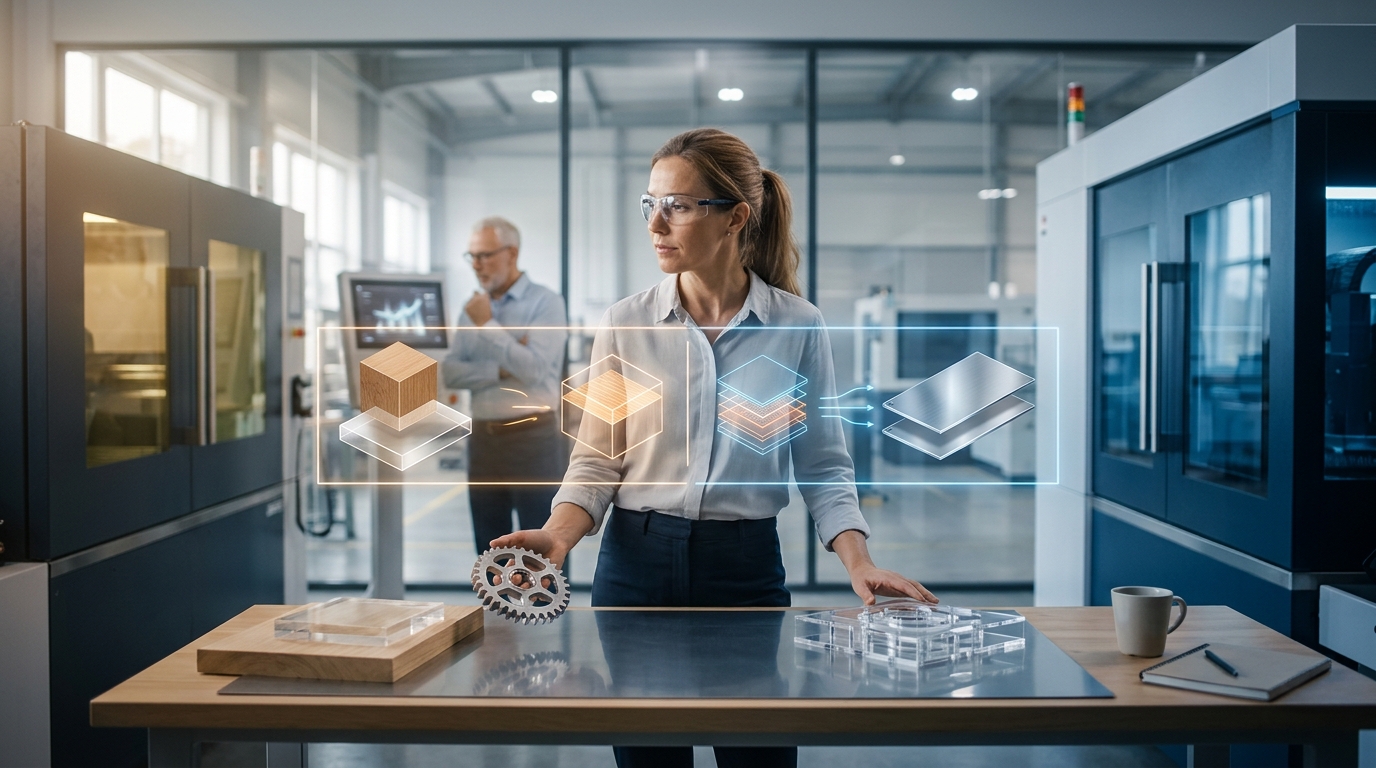
Choosing the right laser cutting technology is one of the most critical decisions for modern manufacturing operations. The global laser cutting market is projected to reach significant valuation milestones in the coming years, driven by the demand for precision and speed in industrial fabrication. According to recent industry reports, the shift toward fiber laser technology has accelerated due to its superior energy efficiency and lower operational costs for metal processing. Understanding the fundamental differences between CO2 and fiber systems is essential for maximizing production throughput and minimizing long-term capital expenditure.
How CO2 and Fiber Lasers Work
Understanding the underlying mechanics of these two technologies is the first step in making an informed decision. The fundamental difference lies in the medium used to generate the laser beam and how that beam is delivered to the workpiece.
The CO2 Laser Mechanism
A CO2 laser uses a mixture of carbon dioxide, nitrogen, and helium gases contained in a glass tube. When electrical energy excites this gas mixture, it produces a laser beam with a wavelength of 10.6 micrometers. This longer wavelength is highly effective at absorbing energy from non-metallic materials, making CO2 lasers the traditional standard for cutting wood, acrylic, and textiles. The beam is typically delivered to the cutting head via a series of mirrors, which requires precise alignment to maintain optimal performance.
The Fiber Laser Mechanism
In contrast, a fiber laser uses a solid-state gain medium, typically a fiber optic cable doped with rare-earth elements like erbium or ytterbium. The laser is generated directly within the fiber and is delivered to the workpiece via the same fiber optic cable. This results in a beam with a wavelength of approximately 1.07 micrometers, which is ten times shorter than that of a CO2 laser. This shorter wavelength is absorbed much more efficiently by reflective metals, allowing fiber lasers to cut materials like copper and brass with greater ease than their CO2 counterparts.
Material Compatibility and Versatility
One of the most significant factors in comparing these systems is the range of materials each can process effectively. While fiber lasers have dominated the metal cutting sector, CO2 lasers retain a strong advantage in specific non-metal applications.
Metals and Reflective Materials
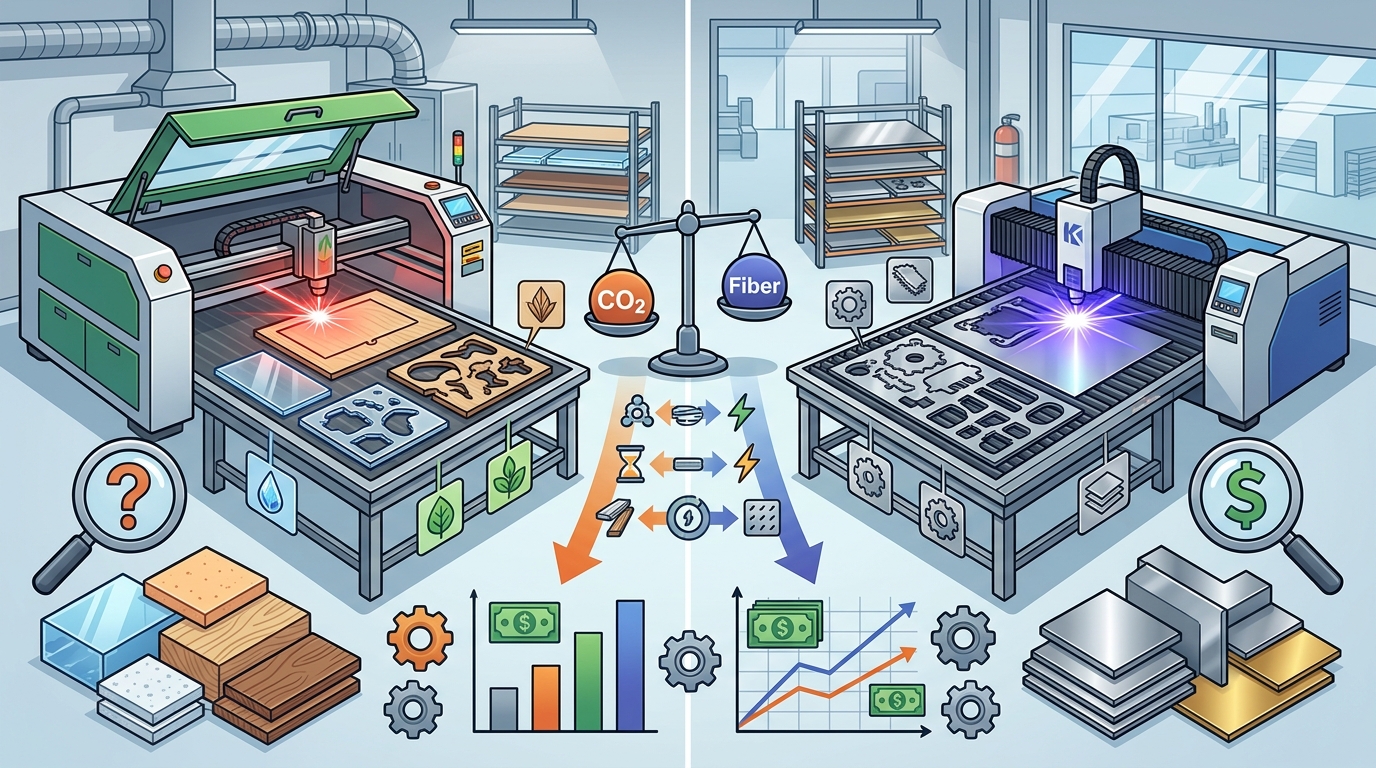
Fiber lasers are generally superior for cutting metals, particularly mild steel, stainless steel, and aluminum. The shorter wavelength allows the beam to be focused to a smaller spot size, resulting in a narrower kerf and faster cutting speeds. Furthermore, fiber lasers handle reflective materials like copper and brass better because the shorter wavelength is absorbed more readily, reducing the risk of back-reflection damaging the laser source. For detailed insights on metal cutting capabilities, you can explore Kern Laser Systems' metal cutting solutions.
Non-Metals and Acrylics
CO2 lasers remain the industry standard for cutting non-metallic materials. They excel at processing acrylic, wood, leather, and foam. When cutting acrylic, a CO2 laser produces a crystal-clear edge that often requires no post-processing. Fiber lasers struggle with these materials because the 1.07-micrometer wavelength is not absorbed efficiently by most non-metals, leading to poor cut quality or complete failure to cut. If you require versatility in both metal and non-metal applications, systems like the OptiFlex CO2 laser cutter offer exceptional performance for diverse material types.
Energy Efficiency and Operating Costs
Operational expenditure (OpEx) is a major differentiator between CO2 and fiber laser cutters. The efficiency of the laser source directly impacts electricity consumption, which is a significant cost factor in high-volume manufacturing environments.
Energy Consumption
Fiber lasers are significantly more energy-efficient than CO2 lasers. They convert approximately 30-50% of electrical input into laser light, whereas CO2 lasers typically convert only 10-15%. This means a fiber laser can achieve the same cutting power while using a fraction of the electricity. Over the lifespan of the machine, this difference translates to substantial savings on utility bills. According to energy efficiency studies in industrial manufacturing, switching from CO2 to fiber can reduce energy costs by up to 70% for metal cutting applications.
Maintenance and Consumables
CO2 lasers require regular maintenance of gas mixtures, mirrors, and lenses. The gas tubes have a limited lifespan and must be replaced periodically, adding to the total cost of ownership. Fiber lasers, being solid-state devices, have no gas tubes and fewer moving parts in the laser source. They are generally maintenance-free for the first several years of operation. This reliability reduces downtime and labor costs associated with routine servicing. For more information on maintaining your equipment, visit the Kern Laser Technical Support page.
Cutting Speed and Precision Metrics
Speed and precision are critical metrics for evaluating laser cutting performance. The choice between CO2 and fiber often depends on the specific requirements of the parts being produced.
Cutting Speed
Fiber lasers generally offer faster cutting speeds for thin to medium-thickness metals. The ability to deliver high power density allows the fiber laser to melt and eject material more rapidly. For example, cutting 1mm mild steel can be up to three times faster with a fiber laser compared to a CO2 laser. This increased speed directly translates to higher throughput and lower cost per part. However, for thicker metals, the advantage may diminish depending on the specific power rating of the machine.
Precision and Kerf Width
Both technologies offer high precision, but fiber lasers typically achieve a smaller kerf width due to the tighter focus of the beam. This is particularly important for intricate designs and fine details. The smaller kerf also means less material waste, which is a significant cost factor when working with expensive alloys. For applications requiring high precision in non-metals, such as detailed signage or awards, the Kern Laser applications guide provides examples of CO2 laser capabilities.
Maintenance and Operational Complexity
The operational complexity of a laser system affects its reliability and the skill level required to operate it. Understanding these differences is crucial for long-term success.
CO2 Laser Maintenance
CO2 lasers require regular alignment of the optical path, which involves adjusting mirrors and lenses. This process requires skilled technicians and can lead to downtime if not performed correctly. The gas mixture also needs to be monitored and replenished periodically. These maintenance requirements add to the operational burden and can increase the risk of human error.
Fiber Laser Reliability
Fiber lasers are known for their robustness and low maintenance needs. The solid-state design eliminates the need for optical alignment and gas refilling. This reliability makes fiber lasers ideal for continuous operation in industrial settings. The FiberCELL metal cutter from Kern Laser Systems is designed for high performance with a safety enclosure, making it suitable for busy factory floors where reliability is paramount.
Comparative Analysis Summary
The following table summarizes the key differences between CO2 and fiber laser cutters to assist in your decision-making process.
| Criteria | CO2 Laser Cutter | Fiber Laser Cutter |
|---|---|---|
| Primary Material | Non-metals (Acrylic, Wood, Leather) | Metals (Steel, Aluminum, Copper) |
| Wavelength | 10.6 micrometers | 1.07 micrometers |
| Energy Efficiency | Lower (10-15% conversion) | Higher (30-50% conversion) |
| Maintenance | High (Mirrors, Gas, Lenses) | Low (Solid-state, minimal upkeep) |
| Cutting Speed (Metals) | Slower | Faster |
| Initial Cost | Generally Lower | Generally Higher |
| Best For | Versatile non-metal cutting | High-speed metal fabrication |
Key Takeaways
- Material Selection is Key: Choose CO2 for non-metals like acrylic and wood, and fiber for metals like steel and aluminum.
- Efficiency Matters: Fiber lasers offer significantly lower energy consumption and operating costs for metal cutting.
- Maintenance Costs: CO2 lasers require more frequent and complex maintenance compared to the low-maintenance fiber systems.
- Speed and Precision: Fiber lasers provide faster cutting speeds and smaller kerf widths for metal applications.
- Brand Reliability: Kern Laser Systems has been manufacturing high-quality laser equipment since 1982, ensuring trusted performance.
- Versatility Options: Systems like the OptiFlex offer CO2 versatility for mixed material environments.
- Future-Proofing: The industry trend favors fiber lasers for metal due to efficiency, but CO2 remains essential for non-metals.
Frequently Asked Questions
Can a fiber laser cut acrylic?
Fiber lasers are generally not suitable for cutting acrylic because the 1.07-micrometer wavelength is not absorbed efficiently by the material. CO2 lasers are the preferred choice for clear, high-quality acrylic cuts.
Which laser is more energy efficient?
Fiber lasers are significantly more energy efficient than CO2 lasers. They convert a higher percentage of electrical input into laser light, resulting in lower electricity bills and reduced heat generation.
Do fiber lasers require regular maintenance?
Fiber lasers require minimal maintenance compared to CO2 lasers. They do not have gas tubes or optical mirrors that need regular alignment or replacement, leading to lower long-term maintenance costs.
Is Kern Laser Systems a reputable manufacturer?
Yes, Kern Laser Systems has been a trusted manufacturer of laser cutting and engraving equipment since 1982. The company is known for its high-quality, USA-made machines and dedicated customer support.
What is the difference in cutting speed between CO2 and fiber?
Fiber lasers typically cut thin to medium metals faster than CO2 lasers due to their higher power density and shorter wavelength. However, CO2 lasers may be faster or more effective for certain non-metal materials.
Can I cut reflective metals with a CO2 laser?
Cutting reflective metals like copper and brass with a CO2 laser is challenging and risky. The material can reflect the 10.6-micrometer wavelength back into the laser source, potentially causing damage. Fiber lasers handle these materials more safely and effectively.
What software does Kern Laser Systems use?
Kern Laser Systems utilizes KCAM laser software, which provides precise control over cutting and engraving operations. This software is designed to optimize workflow and ensure accurate results.
Contact Kern Laser Systems
Ready to upgrade your manufacturing capabilities? Whether you need a versatile CO2 system for non-metals or a high-performance fiber laser for metals, Kern Laser Systems has the expertise to guide you. Contact our team today to discuss your specific needs and explore our range of laser cutting systems. Visit our contact page to request a quote or schedule a consultation.