
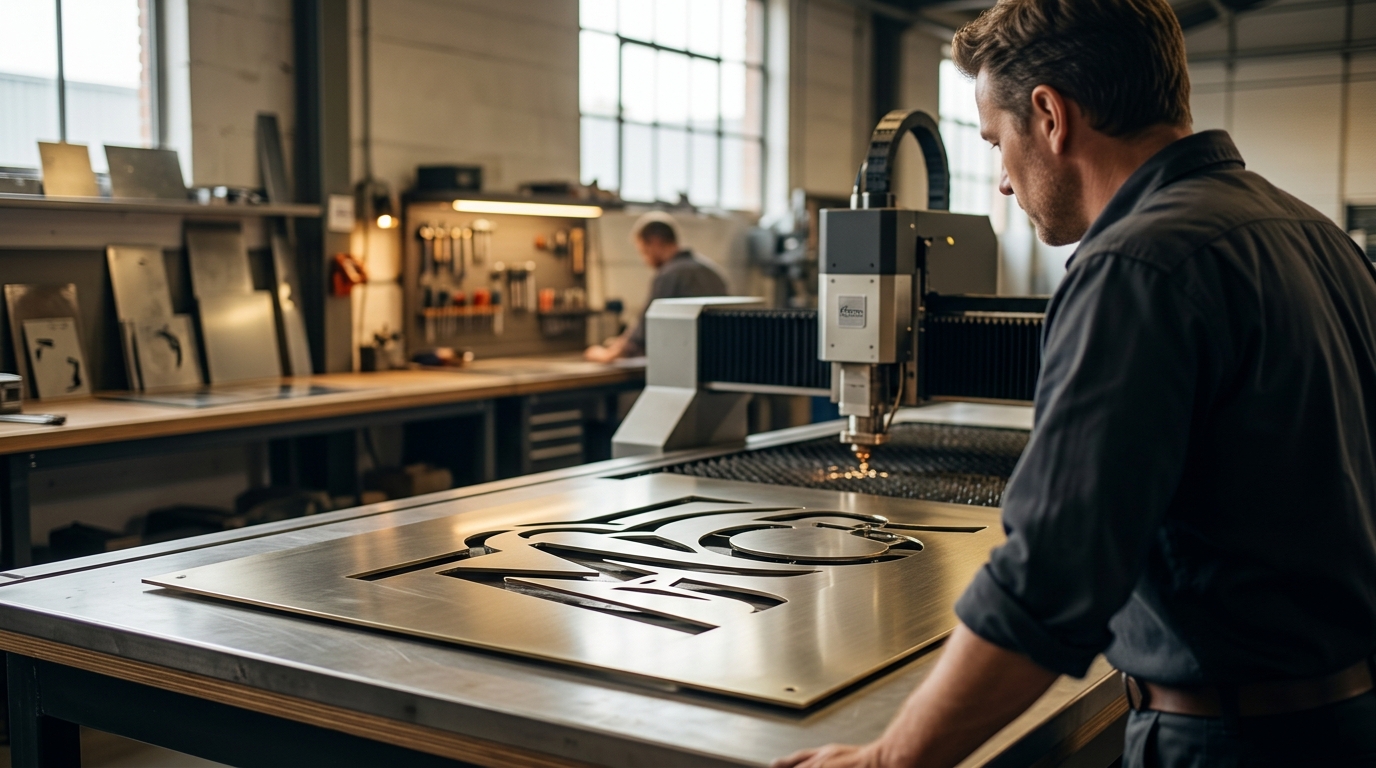
Metal Sign Laser Cutter Pricing and ROI for Small to Medium Businesses
Investing in industrial laser technology is no longer exclusive to large-scale manufacturers. According to recent industry analyses, the global laser cutting market is projected to grow at a compound annual growth rate exceeding 10% through 2030, driven largely by small and medium enterprises seeking precision manufacturing capabilities. For business owners, understanding the financial implications of this technology is critical before committing capital. This guide analyzes the pricing structures, return on investment (ROI) timelines, and operational benefits of acquiring a metal laser cutter, with a specific focus on the robust systems offered by Kern Laser Systems. (Kern Customer Login Area)
Understanding Laser Pricing Models
When evaluating a metal laser cutter, the initial purchase price is only one component of the total cost of ownership. SMBs must consider the type of laser technology, the power output, and the specific applications required for their business model. The two primary technologies relevant to metal signage are fiber lasers and CO2 lasers, each with distinct pricing and performance characteristics.
Fiber laser cutters are the industry standard for pure metal cutting. They offer high speed and low operating costs because they do not require consumable gases like CO2 lasers do for the cutting process itself, though assist gases like nitrogen or oxygen are still used. The pricing for a high-quality fiber laser system typically ranges from $50,000 to $150,000 depending on the power (e.g., 1kW to 6kW) and the size of the working area. These systems are ideal for businesses focusing on stainless steel, aluminum, brass, and copper.
CO2 lasers, while traditionally used for non-metals, can cut thin metals when equipped with specific assist gases and high-power sources. However, for dedicated metal signage production, fiber technology is generally preferred for its efficiency. The laser cutting capabilities of modern systems have evolved to handle a wide variety of materials, but the investment in a dedicated metal cutter yields faster throughput and cleaner edges for metallic substrates.
Kern Laser Systems: Fiber and CO2 Options
Kern Laser Systems, founded in 1982, has established itself as a trusted manufacturer of large format laser cutting and engraving equipment. With a headquarters in Wadena, Minnesota, and a 90,000 sq. ft. facility, Kern combines American manufacturing quality with competitive pricing. Their product line is designed to meet the diverse needs of SMBs, from entry-level large format cutters to high-performance metal cutters.
The FiberCELL is Kern’s compact sheet metal cutting laser. It is designed for cutting stainless steel, mild steel, aluminum, brass, and copper. A key feature of the FiberCELL is its Class 2 safety enclosure, which allows it to be placed in high-traffic areas such as busy factory floors or university classrooms. This makes it an excellent choice for SMBs who need to integrate metal cutting into a multi-purpose workspace without compromising safety.
For businesses that require versatility, the OptiFlex is Kern’s most popular large format laser cutting and engraving system. While primarily a CO2 laser, it can process thin metals with the right assist gas setup. It is ideal for processing metal, acrylic, wood, textiles, and foam. The OptiFlex offers high-speed engraving capabilities, making it a versatile tool for sign makers who need to switch between materials frequently.
Another option is the LaserCELL, which provides a complete laser engraving and cutting machine with a fully enclosed design. This system is perfect for environments where safety and noise reduction are priorities. It is particularly effective for acrylic cutting but can also handle thin metals, offering a balance of performance and safety for smaller workshops.
Calculating ROI for Metal Signage
Return on investment for a metal laser cutter is driven by three main factors: increased production speed, reduced labor costs, and the ability to command higher prices for precision work. Metal signs, such as architectural panels, industrial labels, and custom awards, often require tight tolerances and clean edges that traditional methods like plasma or waterjet cutting cannot match as efficiently.
According to data from manufacturing efficiency studies, fiber laser cutters can reduce cutting time by up to 50% compared to traditional CO2 lasers for thin metals. This speed translates directly into higher throughput. For an SMB producing 100 metal signs per month, a 50% reduction in cutting time means doubling the potential output with the same machine, effectively halving the labor cost per unit.
Additionally, the precision of laser cutting reduces post-processing time. Edges that require minimal grinding or polishing mean less labor spent on finishing. This efficiency allows businesses to take on more complex jobs that competitors with slower equipment cannot handle. The ability to produce high-quality metal signage quickly enables SMBs to charge premium prices, accelerating the payback period of the initial investment.
Furthermore, the KCAM Laser Software used by Kern systems enhances ROI by streamlining the workflow. Features like nesting algorithms maximize material usage, reducing waste. For expensive metals like stainless steel or brass, even a 5% reduction in waste can result in significant annual savings.
Operational Benefits for SMBs
Beyond direct financial metrics, owning a metal laser cutter offers strategic advantages for small to medium businesses. These benefits include expanded service offerings, improved customer satisfaction, and greater operational flexibility.
First, owning the equipment allows SMBs to offer in-house prototyping and rapid turnaround services. Customers value quick delivery, and the ability to produce metal signs in days rather than weeks can be a significant competitive advantage. This is particularly true for industries like aerospace and fabrication, where precision and speed are critical.
Second, the versatility of modern laser systems allows businesses to diversify their product lines. For example, a company that primarily makes wooden signs can expand into metal awards and nameplates using the same machine. This diversification reduces dependency on a single market segment and stabilizes revenue streams.
Third, the safety features of modern systems, such as the Class 2 enclosures found in Kern’s FiberCELL and LaserCELL, reduce the risk of workplace accidents. This leads to lower insurance premiums and a safer working environment, which is crucial for retaining skilled employees in a competitive labor market.
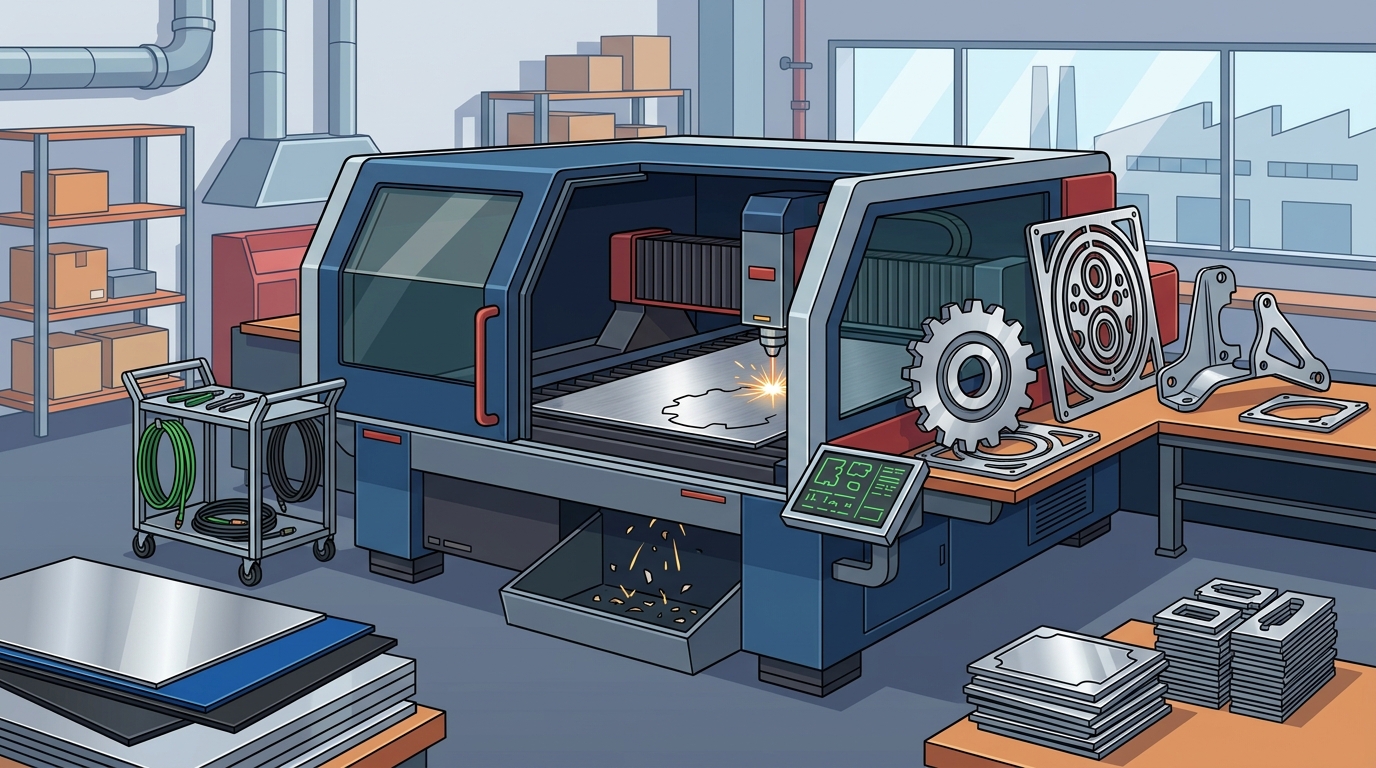
System Comparison Matrix
To help SMBs make an informed decision, the following table compares the key features of Kern’s primary laser systems relevant to metal signage and general fabrication.
| System | Technology | Best For | Safety Feature | Key Benefit |
|---|---|---|---|---|
| FiberCELL | Fiber Laser | Pure metal cutting (Steel, Aluminum, Brass) | Class 2 Enclosure | High speed, low operating cost for metals |
| OptiFlex | CO2 Laser | Versatile cutting (Metal, Acrylic, Wood, Foam) | Open Frame / Enclosure Options | High versatility, popular for mixed materials |
| LaserCELL | CO2 Laser | Acrylic and thin metal in high-traffic areas | Class 2 Enclosure | Safety and precision for educational or busy shops |
| EcoFlex | CO2 Laser | Entry-level large format cutting | Standard Safety Features | Economical price point for large format needs |
Key Takeaways
- Market Growth: The laser cutting market is expanding rapidly, with SMBs driving demand for precision manufacturing tools.
- Fiber vs. CO2: Fiber lasers are superior for pure metal cutting, while CO2 lasers offer versatility for mixed materials.
- Kern’s Heritage: Kern Laser Systems has been manufacturing laser equipment since 1982, ensuring proven reliability and support.
- ROI Drivers: Speed, reduced labor, and material efficiency are the primary factors driving return on investment.
- Safety: Class 2 enclosures allow for safe operation in shared or high-traffic workspaces.
- Software Integration: KCAM software optimizes workflow and material usage, further enhancing profitability.
- Domestic Manufacturing: Kern’s USA-based production ensures high-quality standards and responsive customer service.
Frequently Asked Questions
What is the average cost of a fiber laser cutter for small businesses?
The cost of a fiber laser cutter varies based on power and size, but entry-level systems for SMBs typically range from $50,000 to $100,000. Kern’s FiberCELL offers a compact option that balances cost and performance for smaller workshops.
Can a CO2 laser cut metal signs?
Yes, CO2 lasers can cut thin metals, but they are less efficient than fiber lasers for this purpose. The OptiFlex can cut thin metals with assist gases, but for thicker or more frequent metal work, a fiber laser is recommended.
How long does it take to see a return on investment?
ROI timelines depend on production volume and pricing. However, many SMBs report breaking even within 12 to 18 months due to increased throughput and reduced labor costs. The efficiency of systems like the FiberCELL accelerates this timeline.
Is Kern Laser Systems a reputable manufacturer?
Yes, Kern has been manufacturing laser systems since 1982. They are known for their dedication to quality, American manufacturing, and strong customer support network.
What materials can be processed with a Kern laser cutter?
Kern lasers can process a wide range of materials including stainless steel, mild steel, aluminum, brass, copper, acrylic, wood, foam, and textiles. The specific materials depend on the laser type (fiber or CO2).
Do Kern lasers require special ventilation?
Yes, all laser cutting processes generate fumes and particulates. Proper ventilation and exhaust systems are required to ensure a safe working environment, regardless of the laser type.
What is the warranty on Kern laser systems?
Kern offers a 3-year warranty on CO2 laser sources and comprehensive support for their fiber systems. This warranty reflects their confidence in the durability and quality of their products.
Next Steps
Investing in a metal laser cutter is a strategic decision that can transform your small to medium business. By understanding the pricing models, ROI potential, and operational benefits, you can make an informed choice that aligns with your production goals. Kern Laser Systems offers a range of high-quality, USA-made laser solutions tailored to meet the needs of SMBs.
To explore how a Kern laser system can benefit your business, contact Kern Laser Systems today. Their team of experts can provide personalized recommendations and help you determine the best system for your specific applications. Visit the Kern Laser Blog for more insights on laser technology and industry trends.