
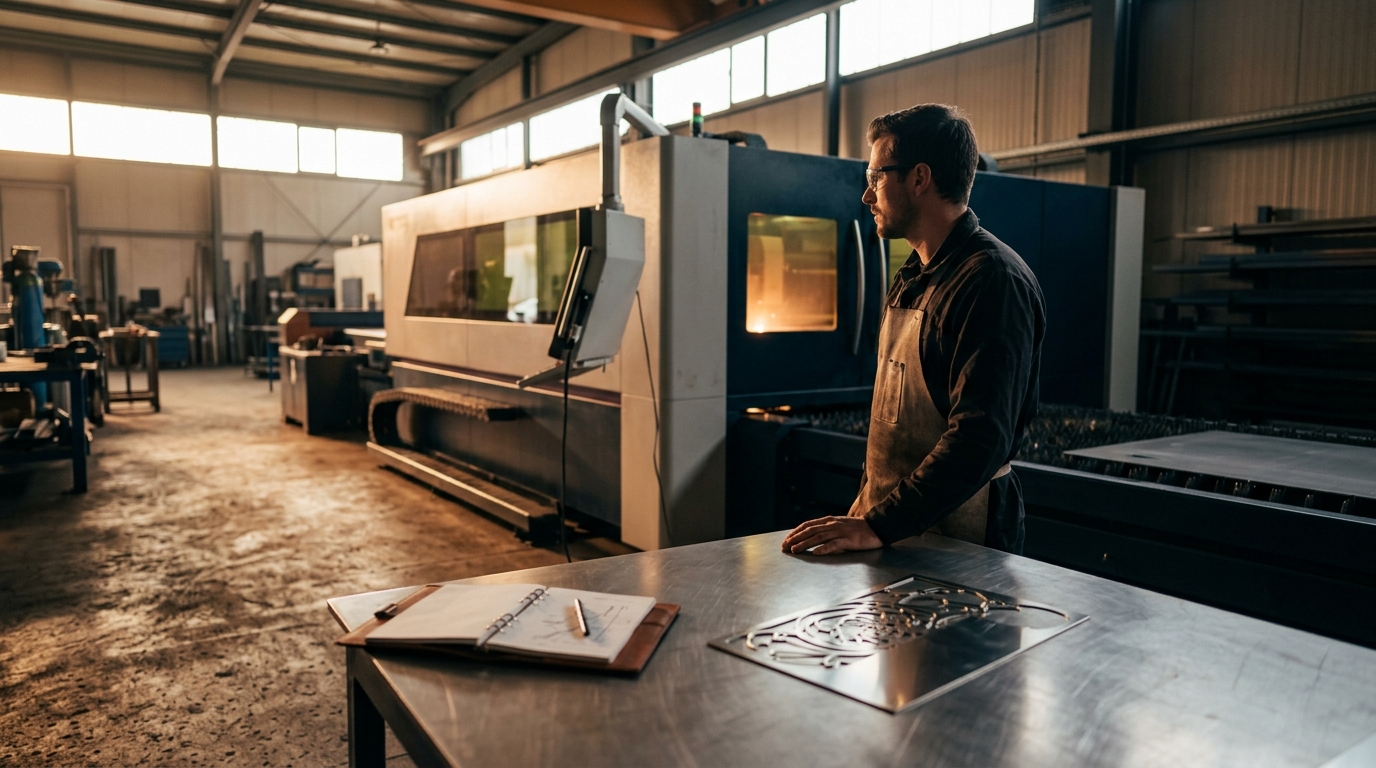
Fiber Laser Cutting System Comparison Checklist for Metal Fabricators
The industrial laser market has shifted dramatically in recent years. According to recent industry analyses, fiber laser cutting systems now account for over 50% of all new laser installations in the metal fabrication sector. This surge is driven by the need for speed, precision, and operational efficiency in modern manufacturing environments. For fabricators evaluating their next capital investment, understanding the technical nuances between different laser types is critical to ensuring a return on investment. (Kern Customer Login Area)
CO2 vs. Fiber: The Core Technology Difference
Before diving into specific system comparisons, it is essential to define the fundamental difference between the two dominant laser technologies available today. CO2 lasers use a gas mixture to generate a beam that is highly effective on non-metals and thin metals. Fiber lasers use a solid-state gain medium doped with rare-earth elements, delivering a beam that is absorbed more efficiently by reflective metals.
For metal fabricators, the fiber laser's superior electrical efficiency is a major factor. Fiber systems typically consume significantly less power than their CO2 counterparts because they do not require high-voltage power supplies for gas tubes or complex mirror alignment systems. This efficiency translates directly into lower operational costs over the lifespan of the machine.
When comparing systems, look for manufacturers that prioritize beam quality. A high-quality beam ensures a narrower kerf width and smoother cut edges, reducing the need for secondary finishing processes. Kern Laser Systems has spent decades refining this technology, ensuring their FiberCELL systems deliver pure metal cutting performance with minimal maintenance.
Power Ratings and Cutting Speed Metrics
Power rating, measured in watts, is the most common metric used to compare fiber laser systems. However, wattage alone does not tell the whole story. The actual cutting speed depends on the material type, thickness, and the laser's ability to maintain a consistent beam focus.
Higher wattage systems, such as 3kW, 6kW, or 12kW models, offer exponential increases in cutting speed for thicker materials. For example, a 6kW fiber laser can cut mild steel significantly faster than a 3kW system. However, for thin gauge materials, a lower wattage system may provide better edge quality and lower energy consumption.
When evaluating a system, ask the manufacturer for specific cut charts. These charts should detail the maximum cutting speed for various thicknesses of mild steel, stainless steel, and aluminum. Industry data shows that uptime is just as critical as speed, so inquire about the mean time between failures (MTBF) for the laser source.
Material Versatility and Thickness Limits
A robust comparison checklist must include an assessment of material versatility. While fiber lasers excel at cutting metals, some systems are optimized for specific alloys. Stainless steel and aluminum require different assist gases and power densities compared to mild steel.
Consider the maximum thickness you need to cut regularly. Most standard fiber laser cutters handle materials up to 1 inch thick effectively. However, for thicker plates, you may need a high-power system with a specialized nozzle configuration. Kern’s FiberCELL is designed to cut stainless steel, mild steel, aluminum, brass, and copper with precision.
Additionally, evaluate the system's ability to handle reflective materials. Copper and brass are highly reflective, which can damage the laser source if not managed correctly. Look for systems with automatic power reduction features or specialized optics that protect the laser diode from back-reflection.
Safety Enclosures and Class Ratings
Safety is a non-negotiable aspect of any laser cutting system. The enclosure must meet strict regulatory standards to protect operators from laser radiation, fumes, and moving parts. Class 2 laser products are designed to be safe for human exposure under normal operating conditions, provided the enclosure remains closed.
When comparing systems, verify the safety rating of the enclosure. A fully enclosed system allows the machine to be placed in high-traffic areas, such as busy factory floors or university classrooms, without requiring additional safety barriers. This is a significant advantage for collaborative manufacturing environments.
Check for additional safety features, such as interlocked doors, emergency stop buttons, and fume extraction ports. Kern’s LaserCELL and FiberCELL systems feature Class 2 safety enclosures, ensuring operator safety while maintaining high performance.
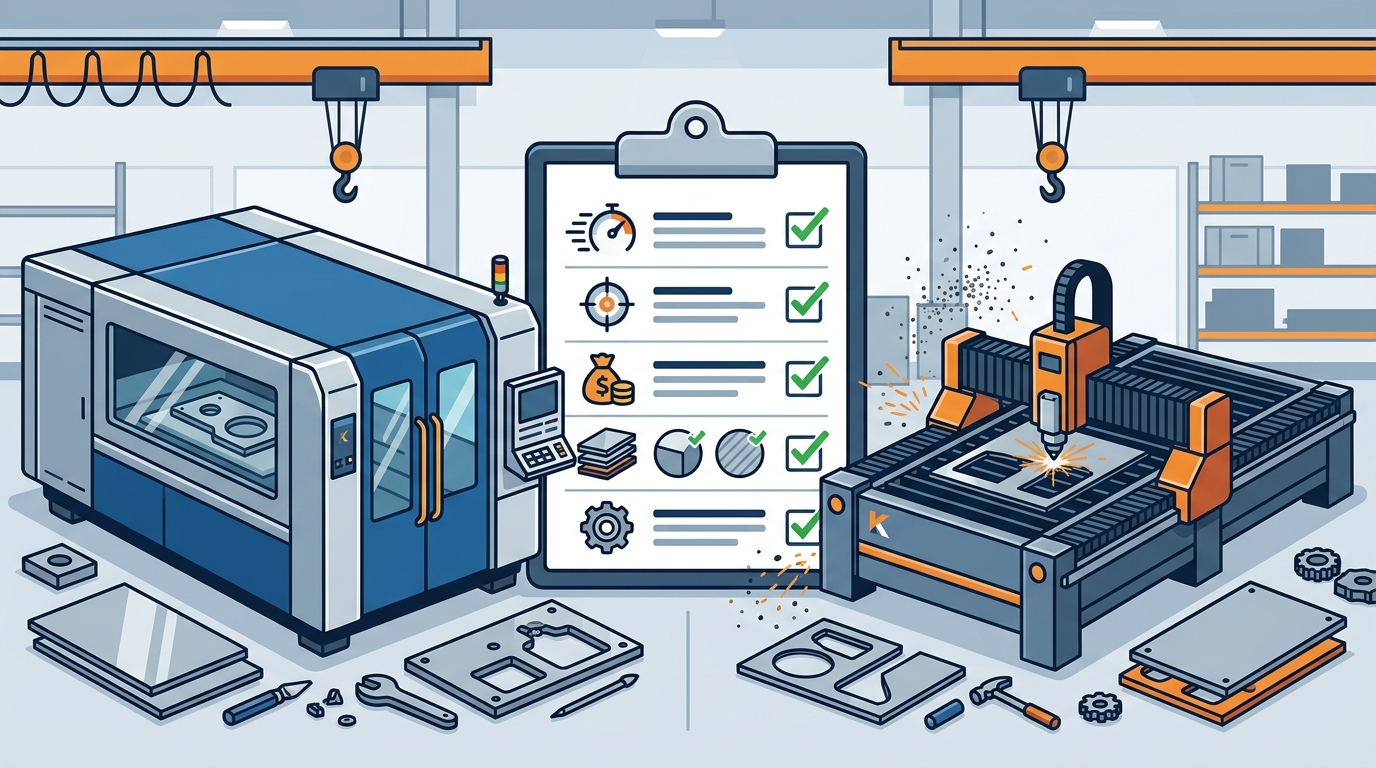
Software Integration and Workflow Efficiency
The laser source is only as good as the software that controls it. Advanced laser cutting software streamlines the workflow from design to production. Look for systems that integrate seamlessly with your existing CAD/CAM software.
Kern’s KCAM Laser Software is designed to optimize cutting paths, reduce material waste, and improve overall efficiency. The software should offer features such as nesting, which arranges parts on the sheet to minimize scrap, and automatic parameter adjustment based on material type and thickness.
Consider the user interface and training requirements. A system with an intuitive interface reduces the learning curve for new operators and minimizes the risk of errors. Additionally, check if the software supports remote monitoring and diagnostics, allowing you to track machine performance and identify potential issues before they cause downtime.
Warranty, Support, and Domestic Manufacturing
The longevity of a laser cutting system depends heavily on the manufacturer's support network and warranty terms. A comprehensive warranty protects your investment and ensures access to replacement parts and technical assistance.
Kern Laser Systems offers a 3-year warranty on CO2 laser sources and robust support for their fiber systems. As a manufacturer based in Wadena, Minnesota, Kern provides direct access to engineering support and a network of trained technicians. This domestic manufacturing advantage ensures faster response times and easier logistics for spare parts.
When comparing vendors, ask about their service level agreements. Do they offer on-site support? What is the average response time for technical issues? A manufacturer with a strong local presence, like Kern, can provide more reliable support than a distant international supplier.
Key Takeaways
- Technology Shift: Fiber lasers now dominate the metal fabrication market due to their efficiency and speed.
- Efficiency: Fiber systems consume significantly less power than CO2 lasers, reducing operational costs.
- Safety: Class 2 enclosures allow for safe operation in high-traffic industrial environments.
- Software: Integrated software like KCAM optimizes nesting and cutting paths for maximum material utilization.
- Support: Domestic manufacturing in the USA ensures faster support and easier parts access.
- Versatility: Modern fiber lasers can cut a wide range of metals, including reflective materials like copper and brass.
- Warranty: Look for manufacturers offering comprehensive warranties, such as Kern's 3-year source warranty.
Frequently Asked Questions
What is the main advantage of a fiber laser over a CO2 laser for metal cutting?
Fiber lasers offer higher electrical efficiency, faster cutting speeds on metals, and lower maintenance requirements due to the absence of gas tubes and complex mirror alignments.
How thick can a standard fiber laser cutter cut?
Most standard fiber laser cutters can effectively cut mild steel up to 1 inch thick. Higher wattage systems can handle thicker materials, but the cut quality may vary depending on the specific machine capabilities.
Is a fiber laser safe for use in a shared workspace?
Yes, systems with Class 2 safety enclosures, such as Kern's FiberCELL, are designed to be safe for use in high-traffic areas, provided the enclosure remains closed during operation.
What materials can a fiber laser cut?
Fiber lasers can cut a variety of metals, including mild steel, stainless steel, aluminum, brass, and copper. They are also effective on coated metals and certain plastics.
Does Kern Laser Systems offer technical support?
Yes, Kern provides comprehensive technical support, including online resources, customer login portals, and direct assistance from their team in Minnesota.
What software is used to control Kern laser systems?
Kern systems typically use KCAM Laser Software, which offers advanced features for nesting, path optimization, and machine control.
How long is the warranty on Kern laser sources?
Kern Laser Systems offers a 3-year warranty on their CO2 laser sources and robust support options for their fiber laser systems.
Request Your Custom Quote
Choosing the right fiber laser cutting system is a significant decision that impacts your production capacity and profitability. By using this comparison checklist, you can evaluate systems based on technology, efficiency, safety, and support. Kern Laser Systems is ready to help you find the perfect solution for your metal fabrication needs.
Contact our team today to discuss your specific requirements and receive a personalized quote. Visit our Contact Page to get started or explore our LaserCELL and FiberCELL systems in detail.