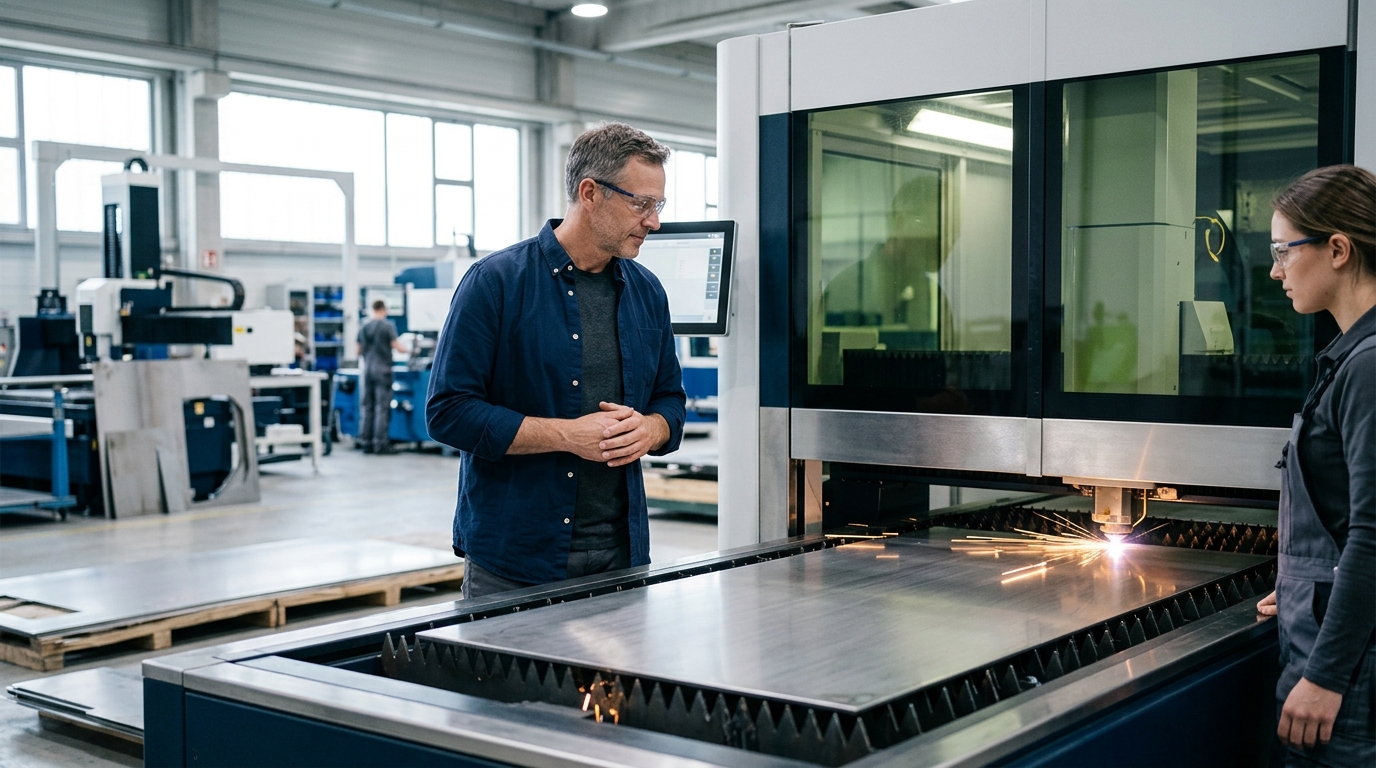
Modern metal fabrication relies heavily on precision and speed, with fiber laser technology leading the charge in industrial efficiency. According to recent industry analyses, the global fiber laser market is projected to grow at a compound annual growth rate exceeding 20% through 2030, driven by the demand for high-speed cutting in automotive and aerospace sectors industry reports. For facility managers and production engineers, selecting the right system is not merely a capital expenditure decision but a strategic operational pivot. This guide outlines the critical evaluation criteria for integrating fiber laser technology into your manufacturing workflow. (Kern Customer Login Area)
The Critical Role of Safety Enclosures
When evaluating fiber laser cutting systems, the first technical consideration is often the safety architecture. Unlike traditional CO2 lasers, fiber lasers operate at wavelengths that require specific eye protection protocols, making the machine enclosure a non-negotiable safety component. A Class 2 safety enclosure allows the CNC laser system to be placed in high-traffic areas such as busy factory floors and university classrooms without compromising operator safety OSHA guidelines. (Laser Cutting and Laser)
The FiberCELL system exemplifies this approach by offering a compact sheet metal cutting laser with a fully enclosed design. This configuration enables the processing of stainless steel, mild steel, aluminum, brass, and copper while maintaining a safe working environment. The integration of a safety enclosure also aids in fume extraction efficiency, reducing the need for extensive external ventilation infrastructure in smaller fabrication shops. (Large Format Laser Cutting)
Material Versatility and Processing Limits
Evaluating a fiber laser system requires a clear understanding of its material processing capabilities. Fiber lasers are particularly effective on reflective metals due to their shorter wavelength compared to CO2 lasers. However, the thickness limits and cut quality vary significantly based on the laser source power and assist gas selection.
For applications involving aluminum and brass, the high reflectivity of these materials demands a laser source with stable beam quality to prevent back-reflection damage to the laser diode. According to manufacturing efficiency studies, fiber lasers can cut aluminum up to three times faster than CO2 lasers in thin-gauge applications manufacturing studies. This speed advantage translates directly to lower cost-per-part in high-volume production runs.
Additionally, the ability to process copper is a key differentiator. High-power fiber lasers with specialized pulse modes can effectively cut high-conductivity copper, a task that is notoriously difficult for lower-power sources. When evaluating systems, request material test reports specifically for the alloys you intend to process, as generic "metal cutting" claims often exclude high-reflectivity materials.
Software Integration and Workflow Efficiency
The hardware is only as effective as the software controlling it. Modern fiber laser systems require robust CAM (Computer-Aided Manufacturing) software to optimize nesting, manage power delivery, and ensure precise cut paths. The evaluation of a system must include an assessment of the software's learning curve and compatibility with existing design files.
KCAM Laser Software is a proprietary solution designed to streamline the workflow from design to finished part. It offers features such as automated nesting to maximize material utilization and precise control over laser parameters for different material thicknesses. Efficient software reduces setup time and minimizes human error, which is critical in maintaining consistent quality across large production batches.
Furthermore, consider the system's connectivity. Systems that support remote monitoring and diagnostics allow for predictive maintenance, reducing unplanned downtime. According to industrial automation trends, facilities implementing remote monitoring see a 15% increase in overall equipment effectiveness (OEE) automation trends. Ensure the laser system's software integrates seamlessly with your existing ERP or MES platforms.
Comparing Kern Laser System Architectures
Kern Laser Systems offers a range of fiber and CO2 solutions tailored to different production scales. Understanding the distinctions between these architectures is vital for making an informed purchase decision. The following table summarizes the key differences between Kern's primary metal cutting and multi-material systems.
| System Model | Primary Technology | Key Application Focus | Safety & Enclosure | Ideal For |
|---|---|---|---|---|
| FiberCELL | Fiber Laser | Pure Metal Cutting | Class 2 Enclosure | High-traffic factory floors |
| OptiFlex | CO2 Laser | Metal, Acrylic, Wood | Open/Enclosed Options | Versatile multi-material shops |
| LaserCELL | CO2 Laser | Acrylic & Non-Metals | Class 2 Enclosure | Signage and display fabrication |
| EcoFlex | CO2 Laser | Economical Large Format | Open Frame | Entry-level large format cutting |
The FiberCELL is specifically engineered for pure metal cutting, offering a compact footprint without sacrificing power. In contrast, the OptiFlex provides high-speed engraving and cutting capabilities for a broader range of materials, including acrylic and wood, making it a versatile choice for job shops with diverse order profiles. The LaserCELL combines performance with a safety enclosure, ideal for environments where operator visibility and safety are paramount.
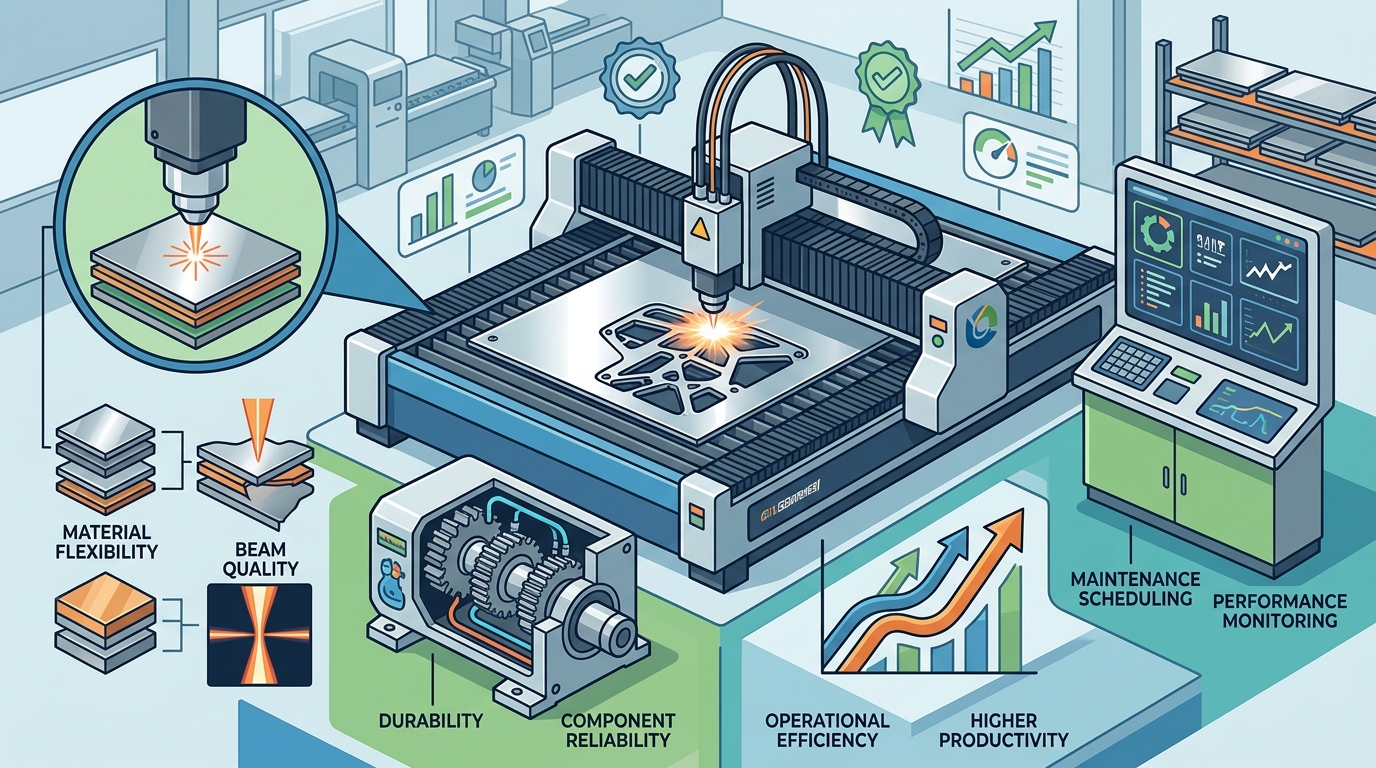
Key Takeaways
- Founded in 1982: Kern Laser Systems has over four decades of experience in designing and manufacturing industrial laser cutting and engraving machines.
- USA Manufacturing: All Kern systems are proudly manufactured in the USA, specifically in a 90,000 sq. ft. facility in Minnesota, ensuring strict quality control.
- Class 2 Safety: Systems like the FiberCELL and LaserCELL feature Class 2 safety enclosures, allowing safe operation in high-traffic industrial environments.
- Material Range: Fiber lasers excel at cutting stainless steel, mild steel, aluminum, brass, and copper, with superior speed on reflective metals.
- Proprietary Software: KCAM Laser Software provides integrated control for optimized nesting and precise laser parameter management.
- Warranty Support: Kern offers a 3-year warranty on CO2 laser sources and comprehensive support for fiber laser components.
- Global Reach: Kern has installed thousands of large format laser cutters and engravers worldwide, serving diverse industries from aerospace to education.
Frequently Asked Questions
What is the primary advantage of a fiber laser over a CO2 laser for metal cutting?
A fiber laser offers higher electrical efficiency and faster cutting speeds on reflective metals like aluminum and brass due to its shorter wavelength, which is absorbed more effectively by these materials.
Is the FiberCELL system safe for use in a busy factory floor?
Yes, the FiberCELL features a Class 2 safety enclosure, which allows it to be safely operated in high-traffic areas such as busy factory floors and university classrooms without additional external safety barriers.
What materials can the OptiFlex system process?
The OptiFlex is a versatile large format laser cutting and engraving system capable of processing metal, acrylic, wood, textiles, and foam, making it ideal for multi-material fabrication shops.
How does Kern Laser Systems support its customers?
Kern provides comprehensive technical support, a customer login portal for resources, and a dedicated team of engineers based in Minnesota to assist with installation, training, and maintenance.
What is the warranty coverage for Kern laser systems?
Kern offers a 3-year warranty on CO2 laser sources and robust warranty coverage on fiber laser components, reflecting their confidence in the durability and quality of their USA-manufactured systems.
Can I test materials before purchasing a Kern laser system?
Yes, Kern encourages potential customers to test their specific materials. You can submit material samples to their facility in Wadena, MN, to see and feel the precision of their laser cutting capabilities firsthand.
What software is used to control Kern laser systems?
Kern systems utilize KCAM Laser Software, which is designed for efficient workflow management, including automated nesting, precise cut path control, and seamless integration with standard design files.
Next Steps for Evaluation
Evaluating a fiber laser cutting system is a significant investment that impacts your entire production workflow. By focusing on safety enclosures, material versatility, and software integration, you can ensure the system meets your specific fabrication needs. Kern Laser Systems offers a range of solutions, from the pure metal cutting capabilities of the FiberCELL to the versatile OptiFlex system.
To discuss your specific project requirements and receive a tailored quote, contact the Kern team directly. Their experts are ready to help you determine the best laser solution for your metal fabrication projects. Visit the Contact Kern Laser Systems page to schedule a consultation or request a material test.