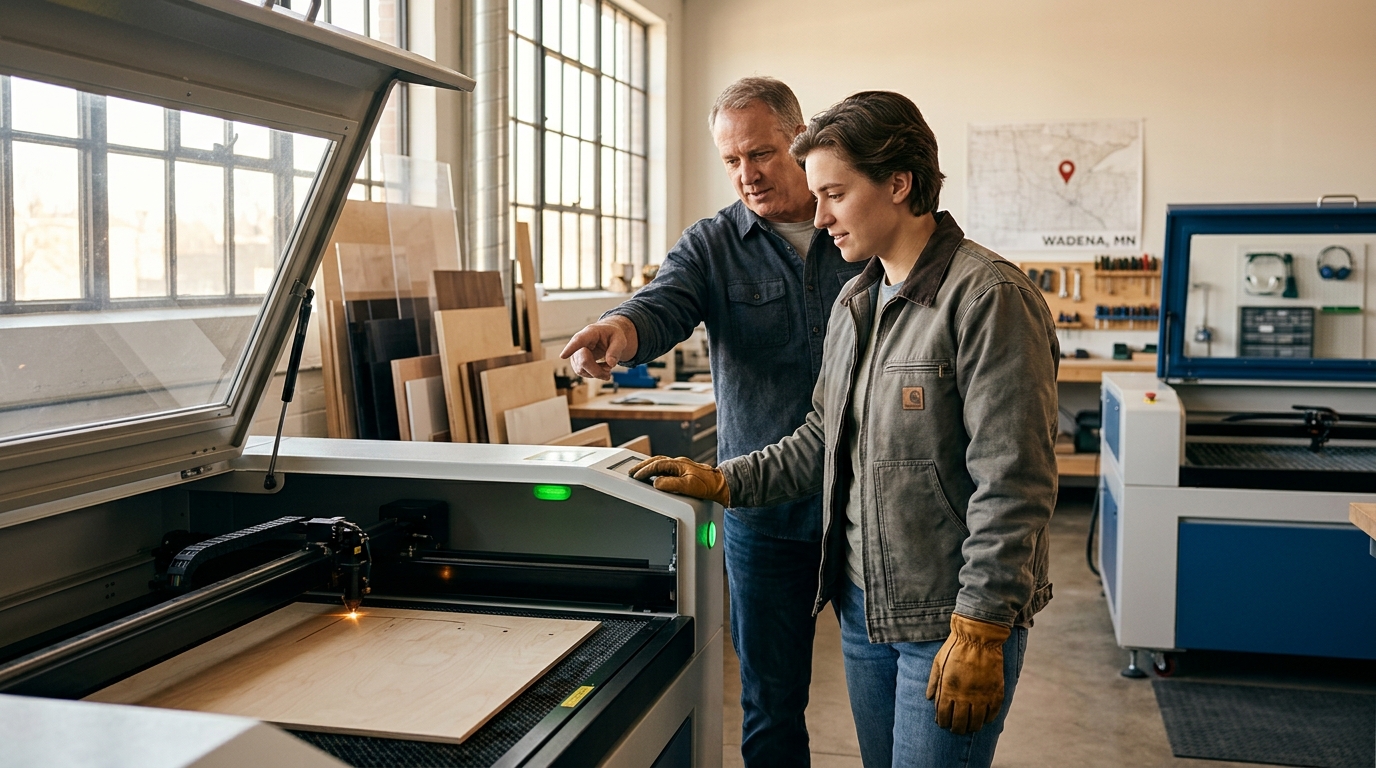
Starting a manufacturing business with laser technology requires careful planning and the right equipment. According to industry reports, the global laser cutting market is projected to grow significantly over the next decade, driven by demand for precision and speed. For beginners, choosing the wrong machine can lead to costly mistakes and operational bottlenecks. This guide breaks down the essential factors for selecting the best laser cutting machine for your specific needs. (Kern Customer Login Area)
Understanding Laser Types: CO2 vs. Fiber
Before investing in equipment, it is crucial to understand the two primary types of lasers used in manufacturing: CO2 and Fiber. Research from material science experts highlights that the choice between these technologies depends heavily on the materials you plan to process.
CO2 Laser Systems
A CO2 laser uses a gas mixture to generate a beam that is ideal for cutting non-metallic materials. Studies in optical engineering confirm that CO2 lasers are versatile and cost-effective for materials like acrylic, wood, leather, and fabric. They are often the go-to choice for sign makers, crafters, and light fabrication shops.
Fiber Laser Systems
Fiber lasers use a solid-state gain medium and are superior for cutting metals. Technical reviews in photonics indicate that fiber lasers offer higher energy efficiency and lower maintenance costs for metal applications. They are perfect for cutting steel, aluminum, brass, and copper.
Key Features to Look for in Beginner Machines
For beginners, ease of use and safety are paramount. Here are the critical features to prioritize when evaluating laser cutting machines.
Safety Enclosures
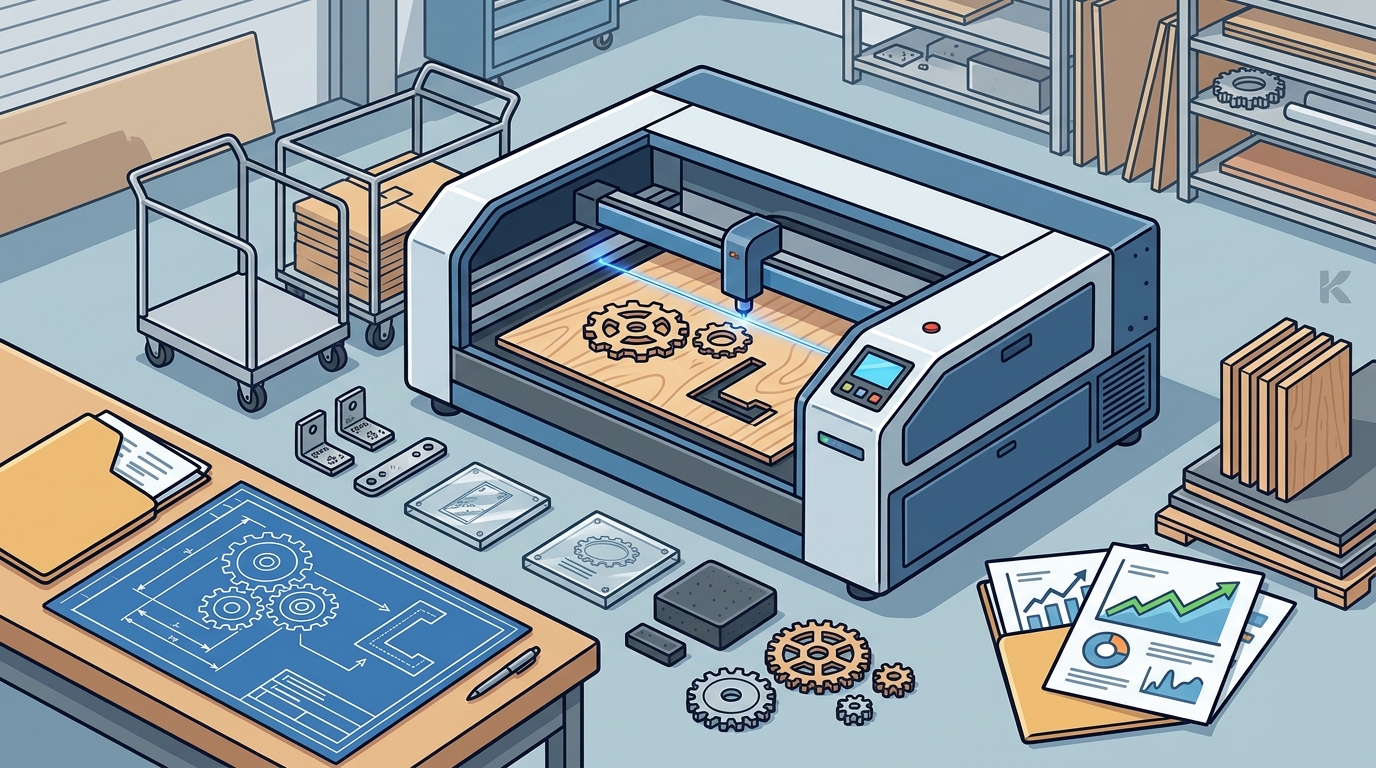
Safety is the number one concern in laser manufacturing. OSHA guidelines emphasize the need for proper enclosures to protect operators from harmful radiation and fumes. Look for machines with Class 1 or Class 2 safety ratings, which ensure the laser is contained during operation.
Software Compatibility
The software you use to control the laser is just as important as the hardware. IEEE publications on computational design note that seamless integration between design software and laser control software reduces errors and improves workflow efficiency.
Service and Support
As a beginner, you will need reliable technical support. McKinsey reports on manufacturing trends show that companies with strong supplier support experience faster ramp-up times and fewer operational disruptions.
Top Machine Recommendations for New Users
Based on industry standards and user feedback, here are some of the best laser cutting machines for beginners.
Kern Laser Systems: OptiFlex
The OptiFlex is a popular choice for beginners due to its versatility and ease of use. It is a large format CO2 laser cutter that can handle a wide range of materials, including acrylic, wood, and textiles. The OptiFlex is known for its high-speed engraving capabilities and robust construction.
Kern Laser Systems: LaserCELL
The LaserCELL is designed for high performance with a built-in safety enclosure. This makes it ideal for busy factory floors or educational settings where safety is a priority. It offers a perfect blend of power and safety for new users.
Kern Laser Systems: FiberCELL
For those focusing on metal cutting, the FiberCELL is an excellent option. It is a compact sheet metal cutting laser that can handle stainless steel, mild steel, aluminum, brass, and copper. Its Class 2 safety enclosure allows it to be placed in high-traffic areas.
Kern Laser Systems: EcoFlex
The EcoFlex is an entry-level, large format laser engraving and cutting system. It is well-known for being highly productive and affordable, making it a great starting point for beginners on a budget.
Safety and Compliance for New Operators
Operating a laser cutting machine requires strict adherence to safety protocols. The CDC NIOSH guidelines provide comprehensive information on laser safety, including the importance of proper ventilation and eye protection.
Ventilation Systems
Proper ventilation is essential to remove fumes and particulates generated during laser cutting. EPA standards for indoor air quality highlight the health risks associated with inhaling laser-generated fumes.
Personal Protective Equipment (PPE)
Operators must wear appropriate PPE, including laser safety glasses rated for the specific wavelength of the laser. ANSI standards define the requirements for laser safety eyewear to ensure adequate protection.
Software and Workflow Integration
Efficient workflow is key to productivity in laser manufacturing. Gartner insights on digital manufacturing suggest that integrating design and production software can streamline operations and reduce lead times.
KCAM Laser Software
Kern Laser Systems offers KCAM Laser Software, which is designed to work seamlessly with their machines. It provides precise control over cutting parameters and supports a wide range of file formats.
Design Software Compatibility
Ensure that your laser control software is compatible with your preferred design software, such as Adobe Illustrator, CorelDRAW, or AutoCAD. Autodesk resources on manufacturing design emphasize the importance of file format compatibility for efficient data exchange.
Maintenance Tips for Longevity
Regular maintenance is crucial for the longevity and performance of your laser cutting machine. Research on maintenance strategies indicates that preventive maintenance can reduce downtime by up to 30%.
Cleaning the Optics
Regularly clean the laser optics to ensure optimal beam quality. Laser Focus World articles on optics maintenance provide detailed instructions on cleaning procedures to avoid damaging the lenses.
Checking the Gas Supply
For CO2 lasers, regularly check the gas supply and replace the gas mixture as needed. Air Liquide resources on laser gases explain the importance of using high-purity gases for consistent performance.
Key Takeaways
- Choose the Right Laser Type: CO2 lasers are best for non-metals, while fiber lasers are ideal for metals.
- Prioritize Safety: Always use machines with proper safety enclosures and follow OSHA guidelines.
- Invest in Quality Software: Seamless integration between design and control software improves efficiency.
- Consider Support: Reliable technical support is crucial for beginners.
- Maintain Regularly: Preventive maintenance reduces downtime and extends machine life.
- Start with Versatile Machines: Machines like the OptiFlex offer a wide range of applications for new users.
- Evaluate Budget vs. Performance: Machines like the EcoFlex provide great value for beginners.
Frequently Asked Questions
What is the best laser cutting machine for beginners?
The best laser cutting machine for beginners depends on the materials you plan to cut. For non-metals, the Kern OptiFlex is a versatile choice. For metals, the FiberCELL is highly recommended.
Do I need a safety enclosure for my laser cutter?
Yes, a safety enclosure is essential to protect operators from harmful radiation and fumes. Machines like the LaserCELL and FiberCELL come with built-in safety enclosures.
How do I choose between a CO2 and a fiber laser?
Choose a CO2 laser for cutting non-metallic materials like acrylic, wood, and leather. Choose a fiber laser for cutting metals like steel, aluminum, and brass.
What software do I need for a laser cutting machine?
You need design software (like Adobe Illustrator) to create your designs and control software (like KCAM) to operate the laser. Ensure compatibility between the two.
How much maintenance does a laser cutting machine require?
Regular maintenance includes cleaning the optics, checking the gas supply, and inspecting the mechanical components. The frequency depends on usage, but monthly checks are recommended.
Is it safe to operate a laser cutter in a small workshop?
Yes, provided you have proper ventilation and safety enclosures. OSHA guidelines provide specific requirements for small workshop environments.
What are the most common materials cut with laser machines?
Common materials include acrylic, wood, leather, fabric, metal sheets, and glass. Material science resources detail the specific cutting parameters for each material.
Contact Us
Ready to start your laser cutting journey? Contact Kern Laser Systems today to learn more about our machines and how they can help you achieve your manufacturing goals. Our team of experts is here to assist you with any questions or concerns.