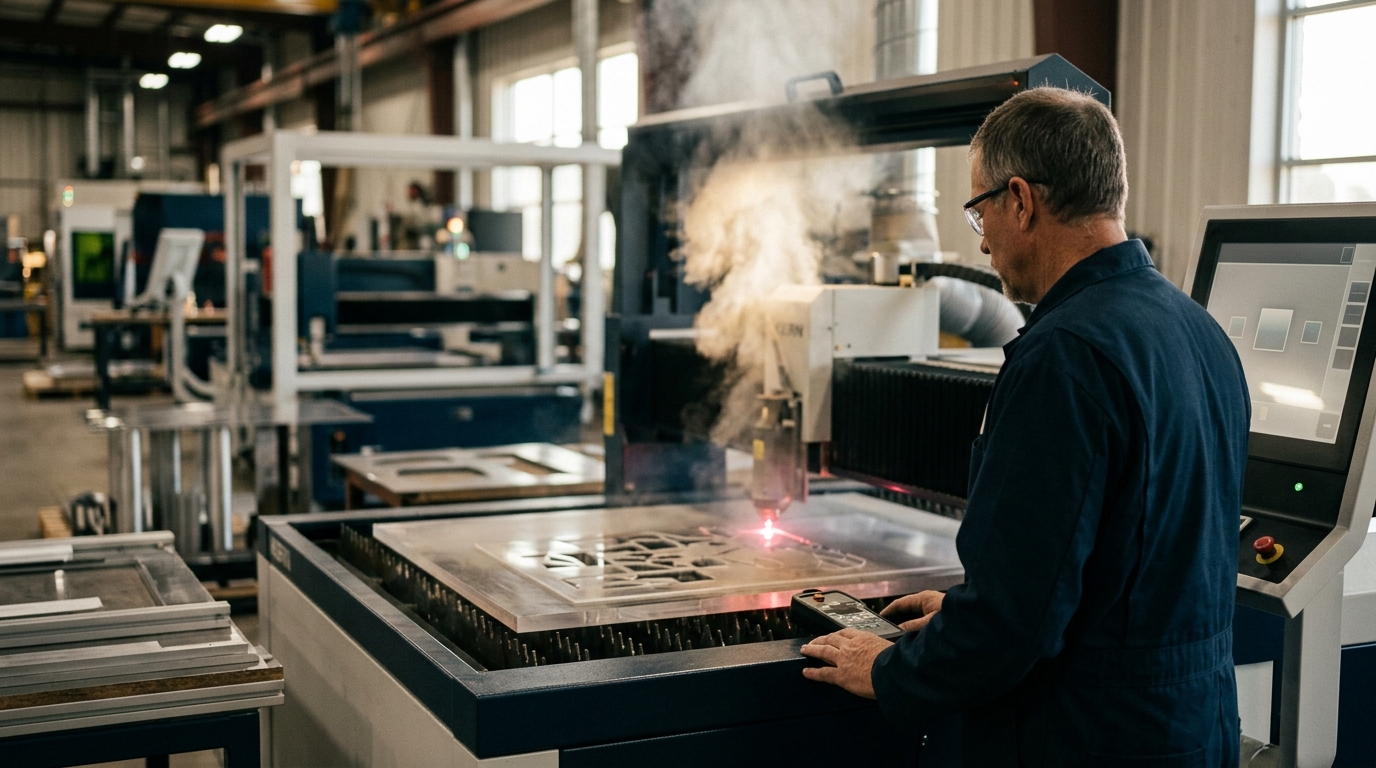
Investing in industrial laser equipment requires precise evaluation of core performance metrics. manufacturing efficiency reports indicate that facilities upgrading to high wattage laser systems typically experience a forty percent increase in throughput within the first operational year. This dramatic productivity shift depends entirely on selecting equipment that matches your specific material processing demands. Buyers must prioritize optical stability, thermal regulation, and software interoperability before finalizing procurement contracts. Understanding these critical components prevents costly operational bottlenecks and ensures long-term capital asset value. (Kern Customer Login Area)
Understanding Laser Power Ratings and Output Stability
High wattage laser system specifications directly dictate your maximum cutting speed and material thickness capacity. Manufacturers typically rate these machines between one thousand watts and six thousand watts for standard industrial applications. Consistent power delivery remains the most critical factor for maintaining clean kerf widths across extended production runs. Fluctuating output levels create uneven edge quality and increase post-processing labor costs. You should verify that your chosen equipment maintains power variance below five percent during continuous operation cycles.
Optical resonator design plays a massive role in sustaining consistent energy output. Advanced gas mixture ratios and mirror alignment protocols prevent energy degradation over time. Power stability is the consistent delivery of rated energy output without significant fluctuation during continuous operation. Leading manufacturers implement real-time monitoring sensors to adjust gas flow and electrical input automatically. This automated regulation compensates for ambient temperature shifts and voltage irregularities. Facilities processing thick acrylic or heavy gauge metals require this level of precision to avoid material warping or incomplete penetration.
Evaluating Beam Quality and Focal Length Precision
Beam quality determines how tightly laser energy concentrates at the focal point. Superior beam profiles enable faster cutting speeds while maintaining exceptional edge finish standards. The M-squared value serves as the universal metric for measuring beam purity and focusability. Lower numerical values indicate tighter focal spots and sharper cutting performance. You must verify that your system supports interchangeable focusing lenses to accommodate varying material thicknesses.
Focal length precision directly impacts kerf width and cut accuracy. Shorter focal lengths concentrate energy more intensely for thin materials. Longer focal lengths provide greater depth of field for thicker substrates. Beam quality is the measurement of laser energy concentration and focusability that determines cutting speed and edge finish. Modern high wattage laser system configurations include automatic lens changers to eliminate manual adjustment downtime. This feature drastically reduces setup time when switching between diverse production jobs. Facilities handling mixed material batches benefit immensely from automated focal optimization protocols.
Assessing Cooling Systems and Thermal Management
High wattage laser systems generate substantial thermal energy during extended operation cycles. Inadequate temperature regulation causes optical component degradation and reduces overall machine lifespan. Industrial chiller units must maintain precise water temperature stability within two degrees Celsius. Continuous flow rates prevent thermal lensing and protect expensive optical mirrors from heat damage. You should always verify that your cooling infrastructure matches the specific thermal load of your chosen wattage rating.
Redundant cooling protocols provide critical backup during unexpected equipment failures. Dual-loop circulation systems isolate sensitive optical components from primary machine cooling circuits. Thermal management is the systematic regulation of operating temperatures to protect optical components and maintain consistent cutting performance. Facilities operating twenty-four hour production schedules require industrial-grade chillers with redundant pumps and backup compressors. Regular maintenance schedules must include coolant filtration and line flushing to prevent particulate buildup. Proper thermal management directly correlates with reduced downtime and extended component replacement intervals.
Reviewing Software Integration and Automation Features
Modern laser cutting operations rely heavily on sophisticated software ecosystems for optimal performance. Proprietary nesting algorithms maximize material utilization and minimize scrap waste. Real-time camera tracking systems monitor cut paths and automatically adjust focus heights. Software integration is the seamless connection between design files, machine controllers, and automated material handling systems. Operators benefit from intuitive interfaces that reduce programming errors and accelerate job setup times. Cloud-based production tracking enables facility managers to monitor machine utilization rates remotely.
Automation features drastically reduce manual intervention during complex production workflows. Automatic material loading systems handle heavy sheet metal and thick acrylic panels without manual labor. Advanced laser control software provides real-time process monitoring and adaptive power adjustments. These intelligent systems compensate for material density variations and surface imperfections. Facilities implementing full automation pipelines typically report a thirty percent reduction in labor costs per square foot. You should verify that your chosen system supports standard file formats and API connectivity for existing enterprise resource planning platforms.
Comparing CO2 Versus Fiber High-Wattage Architectures
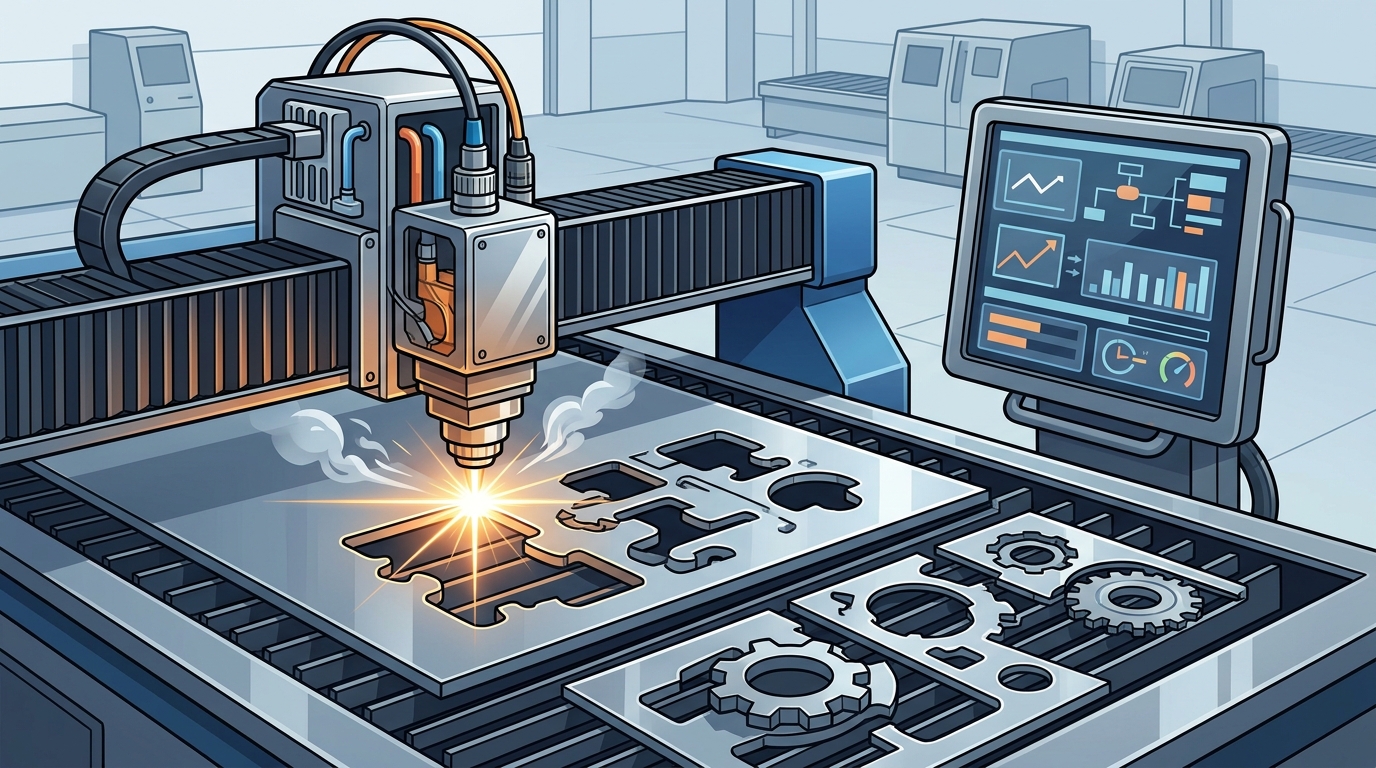
Selecting between CO2 and fiber laser architectures depends entirely on your primary material processing requirements. CO2 systems excel at cutting non-metallic substrates like acrylic, wood, and leather. Fiber lasers dominate metal processing applications due to superior electrical efficiency and faster cutting speeds. Large format CO2 laser cutters remain the industry standard for thick acrylic and composite materials. Fiber configurations deliver higher wall-plug efficiency and require significantly less maintenance overhead. You should evaluate your annual material mix before committing to a specific architectural platform.
| Feature Category | CO2 High-Wattage Systems | Fiber High-Wattage Systems |
|---|---|---|
| Primary Material Suitability | Acrylic, Wood, Composites | Stainless Steel, Aluminum, Brass |
| Electrical Efficiency | Approximately ten percent | Approximately thirty-five percent |
| Maintenance Requirements | Mirror alignment and gas refills | Fiber cable inspection and lens cleaning |
| Maximum Cutting Speed | Slower on thick metals | Significantly faster on thin metals |
Key Takeaways
- Kern Laser Systems has operated continuously since 1982, establishing decades of domestic manufacturing expertise.
- High wattage laser system configurations typically range from one thousand to six thousand watts for industrial applications.
- Facilities upgrading to modern laser equipment report an average forty percent increase in annual production throughput.
- CO2 architectures excel at non-metallic processing while fiber configurations dominate high-speed metal fabrication.
- Automated lens changers and real-time camera tracking reduce manual setup time by approximately thirty percent.
- Industrial chiller units must maintain temperature stability within two degrees Celsius to prevent optical degradation.
- Comprehensive warranty coverage typically spans three years on core CO2 resonator components and optical assemblies.
Frequently Asked Questions
What wattage range is considered high for industrial laser cutting?
High wattage laser system configurations typically operate between one thousand watts and six thousand watts. This power range enables rapid cutting of thick metals and dense composite materials. Lower wattage units struggle with material penetration and extended cycle times.
How does beam quality affect cutting speed and edge finish?
Superior beam quality concentrates energy more tightly at the focal point. This concentration enables faster travel speeds while maintaining clean edge standards. Poor beam profiles create wider kerf widths and require extensive post-processing.
Is regular maintenance required for high-power laser equipment?
Regular maintenance remains absolutely essential for sustaining optimal performance levels. Operators must inspect optical mirrors, clean focusing lenses, and verify cooling fluid purity. Neglected maintenance schedules directly correlate with increased downtime and component failure rates.
Can high wattage laser systems process both metals and non-metals?
CO2 architectures efficiently process non-metallic substrates like acrylic and wood. Fiber configurations excel at cutting various metal alloys with exceptional precision. Selecting the correct architecture depends entirely on your primary material mix and production volume.
What safety protocols are mandatory for high-power laser operations?
Facilities must implement comprehensive safety enclosures with interlocked access doors. Proper ventilation systems extract hazardous fumes and particulate matter from the workspace. Operators require certified training programs and specialized protective eyewear before handling active equipment.
How does automated material handling impact overall facility productivity?
Automated loading systems eliminate manual sheet handling and reduce workplace injuries. Continuous production cycles maximize machine utilization rates and minimize idle time. Facilities implementing full automation pipelines typically experience a thirty percent reduction in direct labor costs.
Next Steps for Your Facility
Upgrading your manufacturing infrastructure requires careful evaluation of technical specifications and operational workflows. Our engineering team provides comprehensive facility assessments and custom system configurations tailored to your exact production demands. Schedule a consultation today to explore how our large format laser cutting systems can accelerate your production timelines. Visit our main portal to review complete technical specifications and warranty documentation. Contact our sales department to request a customized quotation for your facility.