
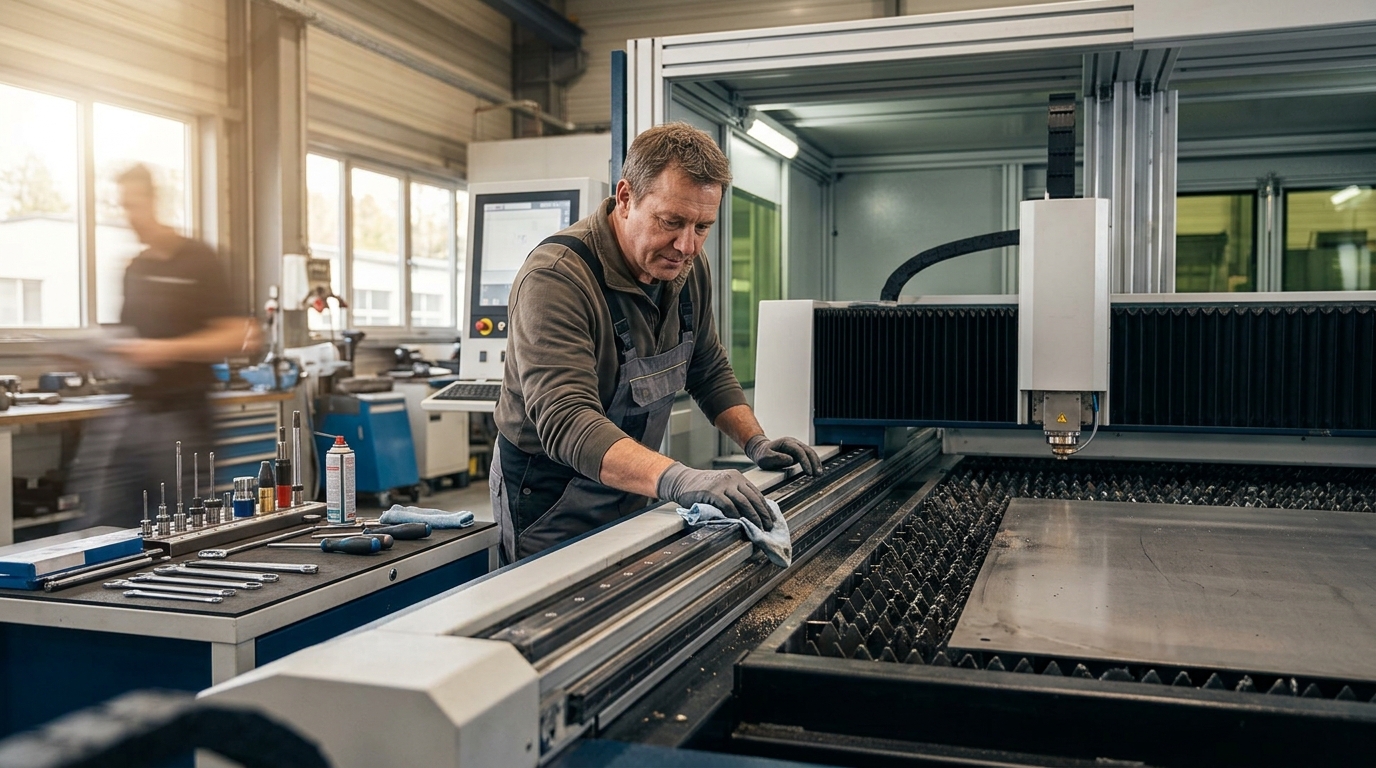
Common Laser Cutting Maintenance Mistakes and Prevention Strategies
Industrial laser cutting systems are precision instruments that demand rigorous upkeep to maintain their operational integrity. According to industry data, improper maintenance is the leading cause of unplanned downtime in manufacturing facilities, costing businesses an average of $25,000 per hour in lost productivity. This statistic highlights the critical need for structured maintenance protocols. Kern Laser Systems, a manufacturer with decades of experience in large format laser cutting and engraving, emphasizes that proactive care extends machine life and ensures consistent cut quality. This guide outlines the most frequent maintenance errors and provides actionable prevention strategies for operators.
Optics Care and Contamination
The optical components of a laser cutter, including lenses and mirrors, are the heart of the system. One of the most common mistakes operators make is neglecting regular cleaning or using improper cleaning techniques. Contaminants such as smoke, dust, and vaporized material can deposit on these surfaces, leading to reduced power output and potential lens damage.
Prevention Strategy
Establish a strict cleaning schedule using only approved lens cleaning solutions and lint-free wipes. Inspect optics daily for signs of contamination. If you notice a decrease in cut quality or power, check the optics immediately. Kern Laser Systems designs its machines, such as the OptiFlex, with accessible optics to facilitate easy maintenance. Proper handling prevents costly replacements and ensures consistent performance.
Gas Purity and Pressure Issues
Air quality and gas purity are critical for both CO2 and fiber laser cutting. Using contaminated assist gas can lead to poor cut edges, increased dross, and even damage to the laser source. Operators often overlook the importance of gas filters and regulators, leading to inconsistent pressure and flow rates.
Prevention Strategy
Regularly check and replace gas filters to ensure purity. Monitor pressure gauges daily to maintain consistent flow. For metal cutting applications, high-purity nitrogen or oxygen is essential. The FiberCELL metal cutter, for example, relies on precise gas delivery for cutting stainless steel and aluminum. Consult the Kern Laser Blog for detailed guides on gas selection for different materials.
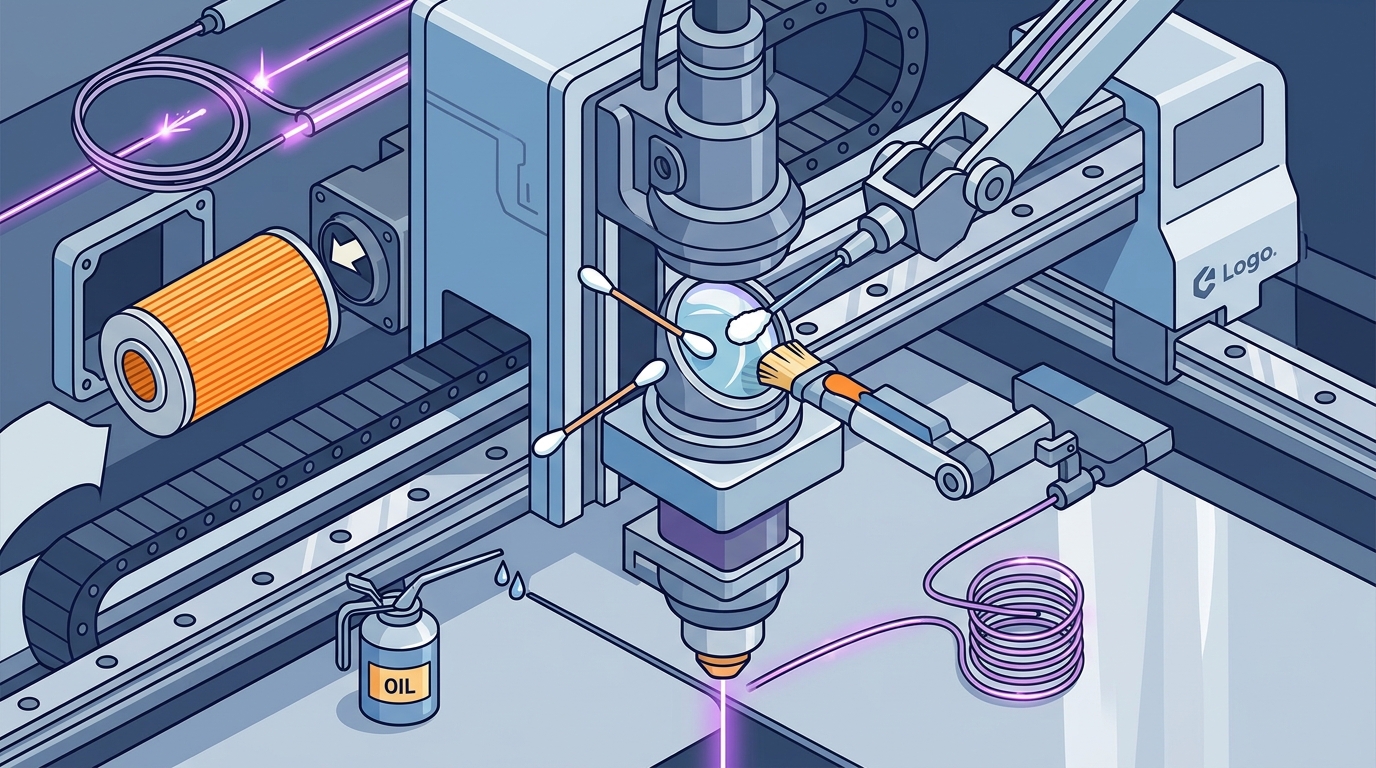
Mechanical Rail and Guide Maintenance
The mechanical components of the laser cutter, including rails, gears, and bearings, require regular lubrication and inspection. Lack of lubrication leads to increased friction, wear, and eventual failure of the motion system. This is particularly critical for large format systems like the EcoFlex, which cover extensive work areas.
Prevention Strategy
Follow the manufacturer's lubrication schedule using the recommended grease or oil. Inspect rails for debris or damage during routine checks. Ensure that the motion system is clean and free of obstructions. Proper maintenance of these components ensures accurate positioning and extends the life of the machine. Visit the Technical Support page for detailed lubrication guides.
Software and Calibration Errors
Software misconfigurations and lack of calibration can lead to inaccurate cuts and registration issues. Operators may ignore software updates or fail to calibrate the machine after maintenance. This is especially problematic for applications requiring high precision, such as commercial signage or awards and trophies.
Prevention Strategy
Regularly update the KCAM Laser Software to the latest version. Perform routine calibration checks, especially after any hardware changes. Use the K-Vision Camera system for precise alignment of preprinted materials. Consistent calibration ensures repeatable results and minimizes material waste.
Cooling System Neglect
The cooling system is vital for maintaining the temperature of the laser source and optics. Neglecting to clean the chiller, check coolant levels, or replace filters can lead to overheating and system failure. This is a common mistake in high-production environments where the machine runs continuously.
Prevention Strategy
Monitor coolant levels and temperature daily. Clean or replace chiller filters regularly. Ensure that the cooling system is free of leaks and blockages. Proper cooling extends the life of the laser source and maintains stable performance. For specific cooling requirements, refer to the Laser Safety documentation.
Safety Enclosure and Ventilation
Safety enclosures and ventilation systems protect operators and the machine from harmful fumes and debris. Ignoring the maintenance of these systems can lead to health hazards and machine damage. Machines like the LaserCELL are designed with safety enclosures for high-traffic areas, but they still require regular upkeep.
Prevention Strategy
Regularly inspect and clean ventilation ducts and filters. Ensure that safety interlocks are functioning correctly. Keep the enclosure clean and free of debris. Proper ventilation ensures a safe working environment and protects the machine from internal contamination. Learn more about laser safety best practices.
Key Takeaways
- Regular optics cleaning prevents power loss and lens damage.
- High-purity assist gas is essential for clean cuts in metal processing.
- Lubricate mechanical rails and guides according to the manufacturer's schedule.
- Keep KCAM software updated and calibrated for precision.
- Monitor cooling systems daily to prevent overheating.
- Maintain ventilation systems to ensure operator safety and machine longevity.
- Kern Laser Systems has been manufacturing high-quality laser cutters since 1982.
Frequently Asked Questions
How often should I clean the laser optics?
Optics should be inspected daily and cleaned as needed, typically after every few jobs or when contamination is visible. Regular cleaning prevents damage and maintains cut quality.
What type of gas should I use for cutting acrylic?
Air is often sufficient for cutting acrylic, but compressed air must be clean and dry. For thicker materials, nitrogen may be used to prevent melting and ensure a clean edge.
Why is my laser cutter losing power?
Power loss can be caused by contaminated optics, aging laser tubes, or incorrect gas pressure. Check the optics first, then verify gas levels and tube health.
Can I use the laser cutter for metal?
Yes, fiber laser cutters like the FiberCELL are designed for metal cutting. CO2 lasers can also cut thin metals but are less efficient for thicker materials.
What is the warranty on Kern Laser Systems?
Kern Laser Systems offers a 3-year warranty on CO2 laser sources. For specific warranty details on other components, please contact Kern Laser Systems directly.
How do I calibrate the K-Vision Camera?
Calibration involves aligning the camera with the laser beam and adjusting the registration settings in the KCAM software. Follow the user manual for step-by-step instructions.
Where is Kern Laser Systems located?
Kern Laser Systems is headquartered in Wadena, Minnesota, and proudly manufactures its machines in the USA. Visit the About page for more information.
Contact Kern Laser Systems
For expert advice on laser cutting maintenance, machine upgrades, or to request a quote, contact Kern Laser Systems today. Our team of specialists is ready to help you optimize your laser cutting operations. Visit our Contact page or call us at 1-888-660-2755. Explore our range of laser systems to find the perfect solution for your manufacturing needs.