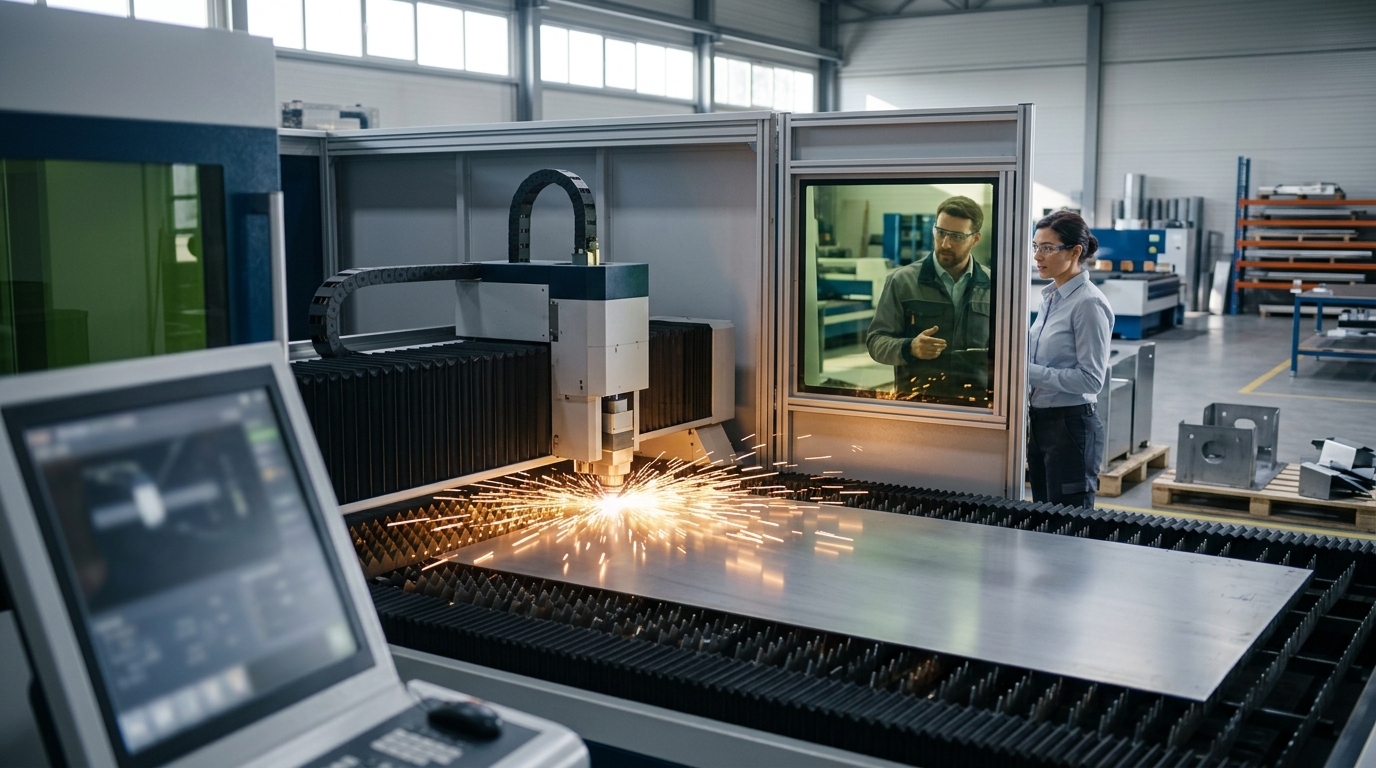
Modern metal fabrication is undergoing a rapid transformation driven by the adoption of high-speed fiber laser technology. According to recent industry analyses, fiber lasers have captured a dominant share of the industrial cutting market, surpassing traditional CO2 systems in both speed and energy efficiency for thin to medium sheet metal applications. This shift is not merely a trend but a fundamental change in how manufacturers approach production efficiency, material waste, and operational costs. For facility managers and engineering leads, selecting the right system requires a rigorous evaluation of technical specifications, software integration, and long-term maintenance structures. (Kern Customer Login Area)
Understanding Fiber vs. CO2 Technology
The first step in evaluation is determining whether a fiber laser or a CO2 laser best suits your specific material mix. Fiber lasers utilize a solid-state gain medium where the laser light is generated directly within the optical fiber. This results in a beam that is highly efficient and requires significantly less electrical power than CO2 systems. For metals, particularly those with high reflectivity like copper and brass, fiber lasers offer superior absorption rates, leading to faster cutting speeds and cleaner edges.
CO2 lasers, while still effective for certain non-metallic materials and thicker plate cutting, generally consume more energy and require more frequent maintenance of gas mixtures and mirrors. If your primary focus is metal fabrication, the industry standard has shifted decisively toward fiber technology. Kern Laser Systems, a pioneer in the field since 1982, emphasizes this transition through their FiberCell line, which is designed specifically for pure metal cutting with integrated safety enclosures.
Evaluating Laser Source Specifications
When assessing potential systems, the laser source is the heart of the operation. You must evaluate the power output, beam quality, and the type of laser source (e.g., IPG, Raycus, or Max). Higher wattage allows for thicker material penetration and faster cutting speeds, but it also increases the initial capital expenditure. For most general fabrication shops, a range between 1kW and 6kW offers the best balance of versatility and cost.
Beam quality is equally critical. A higher beam quality (lower M² value) results in a smaller focal spot, which allows for finer kerf widths and more intricate detailing. This is particularly important for applications requiring tight tolerances. Additionally, consider the laser cutting capabilities regarding material thickness. Ensure the selected system can handle your maximum required thickness with a reasonable cutting speed, rather than just being able to pierce the material.
Power and Speed Metrics
Do not rely solely on the manufacturer's maximum speed claims. Request real-world test cuts using your specific material grades and thicknesses. Look for consistency in cut quality across the entire bed. A system that cuts fast in the center but slows down at the edges may indicate issues with beam delivery or gantry stability.
Software and Control Systems
The hardware is only as good as the software that drives it. Advanced control systems like KCAM Laser Software provide essential features such as nesting optimization, which minimizes material waste by arranging parts efficiently on the sheet. Look for software that offers intuitive interface design, robust job management, and seamless integration with CAD/CAM workflows.
Automation capabilities are another key evaluation point. Systems that support automated pallet changers or robotic loading/unloading can significantly increase throughput. However, these features add complexity and cost. Evaluate your production volume to determine if the ROI justifies the investment in automation. For shops starting out, a manual loading system with a reliable OptiFlex or EcoFlex platform may be more appropriate.
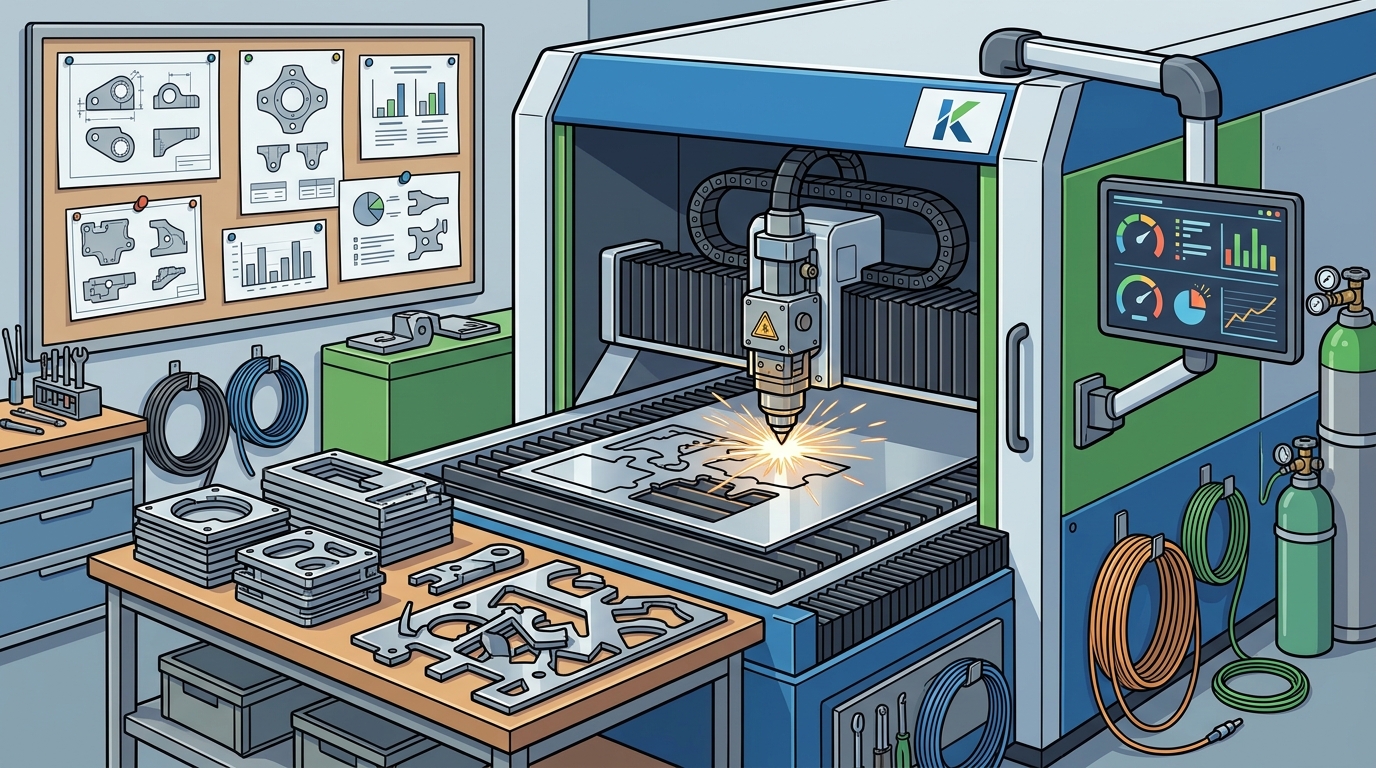
Nesting and Efficiency
Effective nesting software can reduce material costs by up to 15% in some cases. Ensure the software allows for easy import of DXF files and provides real-time feedback on material usage. The ability to save and reuse nesting templates for common jobs can also save significant time in daily operations.
Safety and Enclosure Design
Safety is non-negotiable in metal fabrication. Fiber lasers produce intense light and heat, making proper enclosure design critical. Look for systems with fully enclosed safety cabinets that meet OSHA and ANSI standards. The enclosure should include interlocks that immediately shut off the laser if any door is opened.
Air filtration and fume extraction systems are also vital. Metal cutting generates particulates and fumes that can damage the laser optics and pose health risks to operators. A high-quality LaserCell system typically includes integrated filtration to maintain a clean working environment. Evaluate the ease of filter replacement and the cost of ongoing consumables.
K-Vision Camera System
Some advanced systems, such as those featuring the K-Vision Camera, offer real-time monitoring of the cutting process. This technology allows operators to watch the cut through the enclosure, ensuring quality without opening the door. It also aids in troubleshooting and training new staff.
Warranty and Support Structures
The longevity of a fiber laser system depends heavily on the manufacturer's support network. Fiber sources have a long lifespan, but other components like lenses, nozzles, and guides require regular replacement. Evaluate the warranty terms carefully. Kern Laser Systems, for instance, offers a 3-year warranty on CO2 laser systems and comparable support for their fiber lines, which is a significant value proposition.
Consider the availability of technical support. Is it available 24/7? Are there local service technicians? The cost of downtime can far exceed the savings from a lower-priced machine. Additionally, check the availability and pricing of spare parts. A system with readily available, reasonably priced consumables will have a lower total cost of ownership.
Training and Onboarding
Comprehensive training is essential for maximizing the performance of your new system. Ensure the vendor provides thorough on-site training for operators and maintenance staff. This should cover basic operation, safety protocols, routine maintenance, and troubleshooting common issues.
Key Takeaways
- Technology Shift: Fiber lasers are the industry standard for metal fabrication due to their speed and energy efficiency.
- Source Selection: Match laser power to your material thickness needs; avoid over-specifying for unnecessary cost.
- Software Integration: Robust nesting software like KCAM is critical for material optimization and workflow efficiency.
- Safety First: Fully enclosed systems with proper filtration are mandatory for compliance and operator health.
- Support Matters: Warranty terms and local service availability are key indicators of long-term reliability.
- Brand Heritage: Kern Laser Systems has been manufacturing reliable laser equipment since 1982, ensuring proven technology.
- ROI Calculation: Factor in energy savings, material waste reduction, and maintenance costs when evaluating total cost of ownership.
Frequently Asked Questions
What is the primary advantage of fiber lasers over CO2 lasers for metal?
Fiber lasers offer significantly higher energy efficiency, faster cutting speeds on thin to medium metals, and lower maintenance costs due to the absence of gas mixtures and mirrors.
How do I determine the right laser power for my shop?
Evaluate the maximum thickness of metal you cut regularly. A 1kW to 3kW source is ideal for thin sheet metal, while 6kW or higher is better for thicker plates. Consult with a specialist to match power to your specific material mix.
What is KCAM Laser Software?
KCAM Laser Software is a comprehensive control system designed to manage laser cutting operations, including nesting, job management, and machine control, optimizing both speed and material usage.
Why is the K-Vision Camera important?
The K-Vision Camera allows operators to monitor the cutting process in real-time through the safety enclosure, ensuring quality control and aiding in troubleshooting without interrupting the workflow.
What warranty should I expect from a reputable manufacturer?
Reputable manufacturers like Kern Laser Systems typically offer multi-year warranties on their systems, covering both the laser source and the mechanical components, along with dedicated technical support.
How does beam quality affect cutting performance?
Higher beam quality results in a smaller focal spot, allowing for finer kerf widths, sharper corners, and more intricate detailing, which is crucial for high-precision fabrication.
What maintenance is required for a fiber laser system?
Regular maintenance includes cleaning lenses and nozzles, checking air filters, and inspecting guides and rails. The frequency depends on usage but is generally less frequent than CO2 systems.
Contact Us
Evaluating fiber laser cutting systems is a critical decision that impacts your shop's efficiency, quality, and profitability for years to come. By focusing on laser source specifications, software integration, safety features, and manufacturer support, you can make an informed choice that aligns with your production goals. For expert guidance on selecting the right system for your needs, contact Kern Laser Systems today. Visit our Contact Us page to request a quote or schedule a consultation with our team of specialists.