
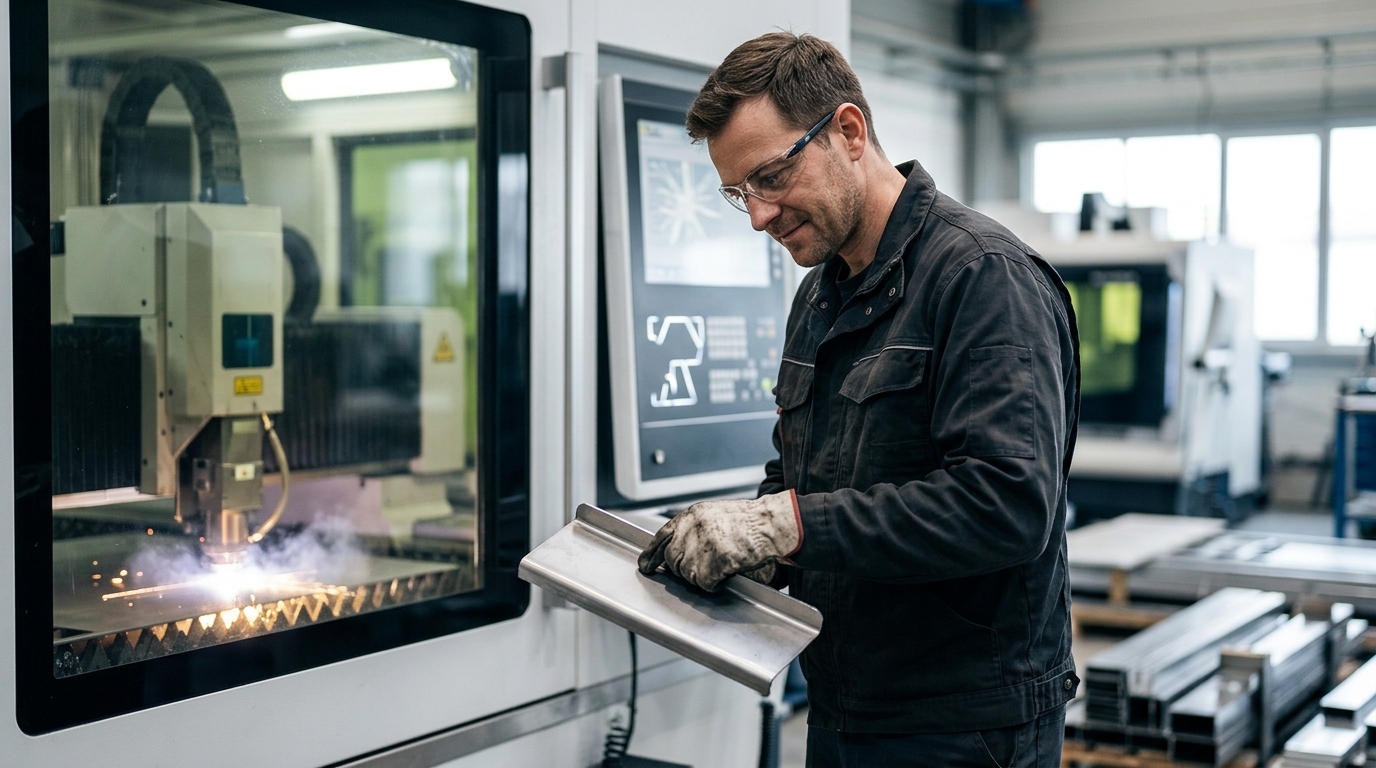
Fiber laser cutting technology has fundamentally transformed the industrial manufacturing landscape by offering unprecedented speed and energy efficiency compared to traditional CO2 systems. According to recent industry analyses, fiber lasers now dominate the metal cutting market due to their superior electrical-to-optical conversion rates, which significantly reduce operational overhead for high-volume production facilities. This shift represents a critical evolution in how businesses approach material processing, moving from high-maintenance gas-based systems to solid-state, low-maintenance fiber sources.
What is Fiber Laser Technology?
Fiber laser cutting is a manufacturing process that utilizes a high-power fiber laser to melt, burn, or vaporize material, assisted by a high-pressure gas jet to eject molten residue from the kerf. Unlike traditional CO2 lasers that use a gas mixture, fiber lasers generate light through doped optical fibers, resulting in a beam that is easier to transport and more efficient to produce. This technology is defined by its ability to cut highly reflective metals with precision that older technologies struggle to match.
The core mechanism involves a diode-pumped solid-state laser source. The light is amplified through a fiber optic cable and delivered directly to the cutting head. This direct delivery eliminates the need for complex mirror alignment systems, which are common in CO2 laser setups. As a result, fiber lasers require less maintenance and offer higher reliability in demanding industrial environments. The efficiency of this system allows for faster cutting speeds, particularly on thin to medium-thickness metals, making it a preferred choice for rapid prototyping and mass production.
Understanding the fundamentals of fiber laser technology is essential for any business looking to upgrade its fabrication capabilities. The transition to fiber optics is not just about speed; it is about energy conservation and operational simplicity. For more details on the underlying technology, you can explore the Kern Laser Technology page.
The Kern FiberCELL Advantage
Kern Laser Systems has engineered the FiberCELL specifically to address the needs of modern metal fabricators who require a compact yet powerful solution. The FiberCELL is a compact sheet metal cutting laser capable of cutting stainless steel, mild steel, aluminum, brass, and copper. Its design prioritizes both performance and safety, making it suitable for a wide range of industrial applications.
One of the standout features of the FiberCELL is its Class 2 safety enclosure. This fully enclosed design allows the CNC laser system to be placed in high-traffic areas such as busy factory floors and university classrooms without compromising operator safety. The enclosure protects users from harmful laser radiation and flying debris, ensuring compliance with industrial safety standards. This feature is particularly valuable for educational institutions and small-to-medium enterprises that operate in shared spaces.
Kern’s commitment to quality is evident in the construction of the FiberCELL. The machine is built with robust components that ensure long-term durability and consistent performance. The company’s dedication to manufacturing excellence is rooted in its history, which dates back to 1982. For more information on Kern’s legacy and manufacturing philosophy, visit the About Kern Laser Systems page.
The FiberCELL also features advanced motion control systems that ensure precise cutting paths. This precision is critical for applications requiring tight tolerances, such as the production of identification labels, nameplates, and commercial signage. By integrating high-quality motion systems with a powerful fiber laser source, Kern delivers a machine that meets the demands of today’s fast-paced manufacturing environment.
Materials and Applications
Fiber lasers are uniquely suited for cutting metals due to their high absorption rates. While CO2 lasers are often preferred for non-metallic materials like wood, acrylic, and fabric, fiber lasers excel with conductive materials. The FiberCELL can process a variety of metals, including stainless steel, mild steel, aluminum, brass, and copper. Each material presents unique challenges, such as reflectivity and thermal conductivity, which the FiberCELL is designed to handle effectively.
Stainless steel is one of the most common materials cut with fiber lasers. The high reflectivity of stainless steel requires a laser source with sufficient power and stability to maintain a consistent cut. The FiberCELL provides the necessary power density to cut stainless steel cleanly and efficiently. Similarly, aluminum, which is known for its high thermal conductivity, can be cut with precision using fiber laser technology. The rapid cooling effect of the fiber laser helps minimize heat-affected zones, preserving the material’s integrity.
Beyond metals, fiber lasers are also used in specialized applications such as cutting coated metals and titanium. These materials are often used in aerospace and medical device manufacturing, where precision and material purity are paramount. Kern Laser Systems offers comprehensive support for these applications, ensuring that customers can maximize the potential of their fiber laser equipment. For a full list of supported materials, check out the Applications & Materials page.
The versatility of fiber laser cutting extends to various industries. From fabrication shops to educational institutions, the ability to cut multiple metal types with a single machine offers significant operational flexibility. This versatility is a key driver behind the growing adoption of fiber laser technology in diverse manufacturing sectors.
Safety and Enclosure Design
Safety is a paramount concern in any laser cutting operation. The FiberCELL addresses this concern with its Class 2 safety enclosure, which is designed to contain laser radiation and protect operators from potential hazards. The enclosure is constructed from durable materials that resist wear and tear, ensuring long-term protection. Additionally, the design includes interlocks that automatically shut off the laser if the enclosure is opened, providing an extra layer of safety.
The placement of the FiberCELL in high-traffic areas is made possible by its robust safety features. This allows for greater integration into existing workflows without the need for extensive safety modifications. For more information on laser safety standards and practices, you can refer to resources provided by the Occupational Safety and Health Administration.
Kern Laser Systems also emphasizes the importance of proper training and maintenance for safe operation. The company provides comprehensive technical support and customer training to ensure that operators are fully equipped to handle the FiberCELL safely and effectively. This commitment to safety and support is a hallmark of Kern’s customer service approach.
CO2 vs. Fiber Laser Comparison
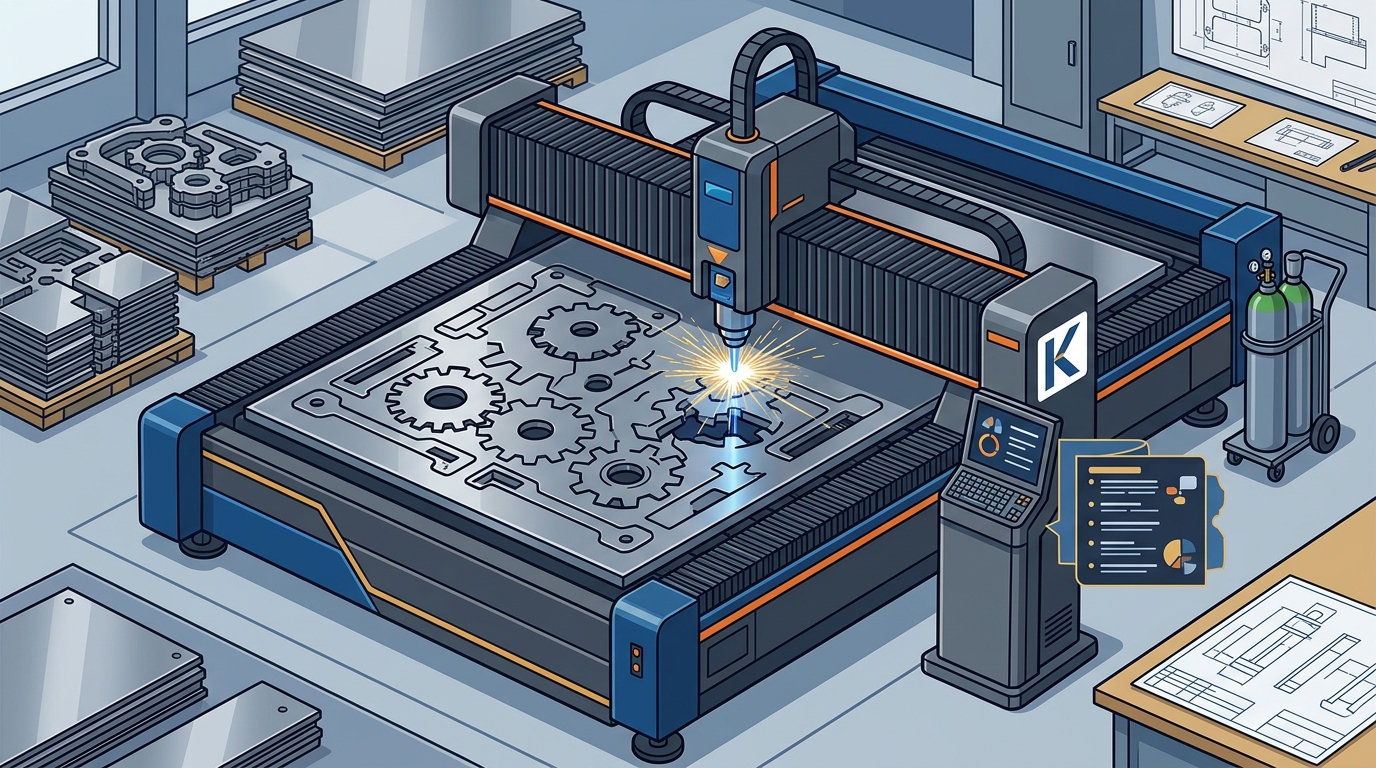
Choosing between CO2 and fiber laser technology depends on several factors, including the materials being processed, production volume, and budget. CO2 lasers are traditionally used for cutting non-metals such as wood, acrylic, and fabric. They offer excellent cutting quality for these materials and are often more cost-effective for low-volume or specialized applications.
In contrast, fiber lasers are superior for cutting metals. They offer faster cutting speeds, lower operating costs, and reduced maintenance requirements. The efficiency of fiber lasers makes them ideal for high-volume metal cutting operations. However, for businesses that primarily work with non-metallic materials, a CO2 laser may still be the better choice.
Kern Laser Systems offers both CO2 and fiber laser options to meet diverse customer needs. The OptiFlex, for example, is a popular CO2 laser cutter and engraver ideal for processing metal, acrylic, wood, textiles, and foam. For those focused on metal cutting, the FiberCELL provides a specialized solution. To explore the full range of Kern’s laser systems, visit the Laser Systems page.
| Feature | Fiber Laser (FiberCELL) | CO2 Laser (OptiFlex) |
|---|---|---|
| Primary Material | Metals (Steel, Aluminum, Copper) | Non-Metals (Acrylic, Wood, Fabric) |
| Cutting Speed | High | Moderate |
| Maintenance | Low | Moderate |
| Energy Efficiency | High | Moderate |
| Safety Enclosure | Class 2 Enclosed | Open or Enclosed Options |
Key Takeaways
- Fiber laser cutting offers superior efficiency and speed for metal processing compared to traditional CO2 systems.
- The Kern FiberCELL is a compact, Class 2 enclosed laser designed for cutting stainless steel, mild steel, aluminum, brass, and copper.
- Kern Laser Systems has been manufacturing high-quality laser equipment since 1982, with a strong focus on American-made products.
- The FiberCELL’s safety enclosure allows for placement in high-traffic areas, enhancing workplace safety.
- Fiber lasers are particularly effective for cutting highly reflective metals like aluminum and copper.
- Kern provides comprehensive technical support and customer training to ensure optimal machine performance.
- Choosing between CO2 and fiber lasers depends on the primary materials and production requirements of the business.
Frequently Asked Questions
What materials can the FiberCELL cut?
The FiberCELL is designed to cut a variety of metals, including stainless steel, mild steel, aluminum, brass, and copper. It is not recommended for non-metallic materials like wood or acrylic, for which CO2 lasers are more suitable.
Is the FiberCELL safe for use in educational environments?
Yes, the FiberCELL features a Class 2 safety enclosure that makes it safe for use in high-traffic areas, including university classrooms and busy factory floors. The enclosure protects users from laser radiation and flying debris.
How does Kern Laser Systems support its customers?
Kern provides comprehensive technical support, customer training, and a network of authorized distributors. Customers can access resources through the Technical Support page or contact the company directly for assistance.
What is the warranty on Kern laser systems?
Kern offers a 3-year warranty on CO2 laser sources and comprehensive warranty coverage on its fiber laser systems. Specific warranty terms may vary by model, so it is recommended to review the details in the Request A Quote process.
Where are Kern Laser Systems manufactured?
Kern Laser Systems is proudly manufactured in the USA. The company’s headquarters and manufacturing facility are located in Wadena, Minnesota, where they employ a dedicated team of skilled workers.
Can the FiberCELL cut titanium?
Yes, the FiberCELL is capable of cutting titanium, which is commonly used in aerospace and medical applications. The high power density of the fiber laser allows for clean and precise cuts on this challenging material.
How do I get a quote for the FiberCELL?
You can request a quote for the FiberCELL by visiting the Request A Quote page on the Kern Laser Systems website. The team will provide detailed pricing and configuration options based on your specific needs.
Contact Kern Laser Systems
Ready to upgrade your metal cutting capabilities with the precision and efficiency of a fiber laser? Kern Laser Systems is here to help you find the perfect solution for your manufacturing needs. Whether you are looking for the compact FiberCELL or a versatile CO2 system, our team of experts is ready to assist you.
Contact Kern Laser Systems today to schedule a consultation or request a quote. Visit our Contact Us page to get in touch with our sales team. You can also explore our full range of laser systems and applications on the Kern Laser Systems Homepage. Let us help you achieve greater productivity and precision in your fabrication processes.