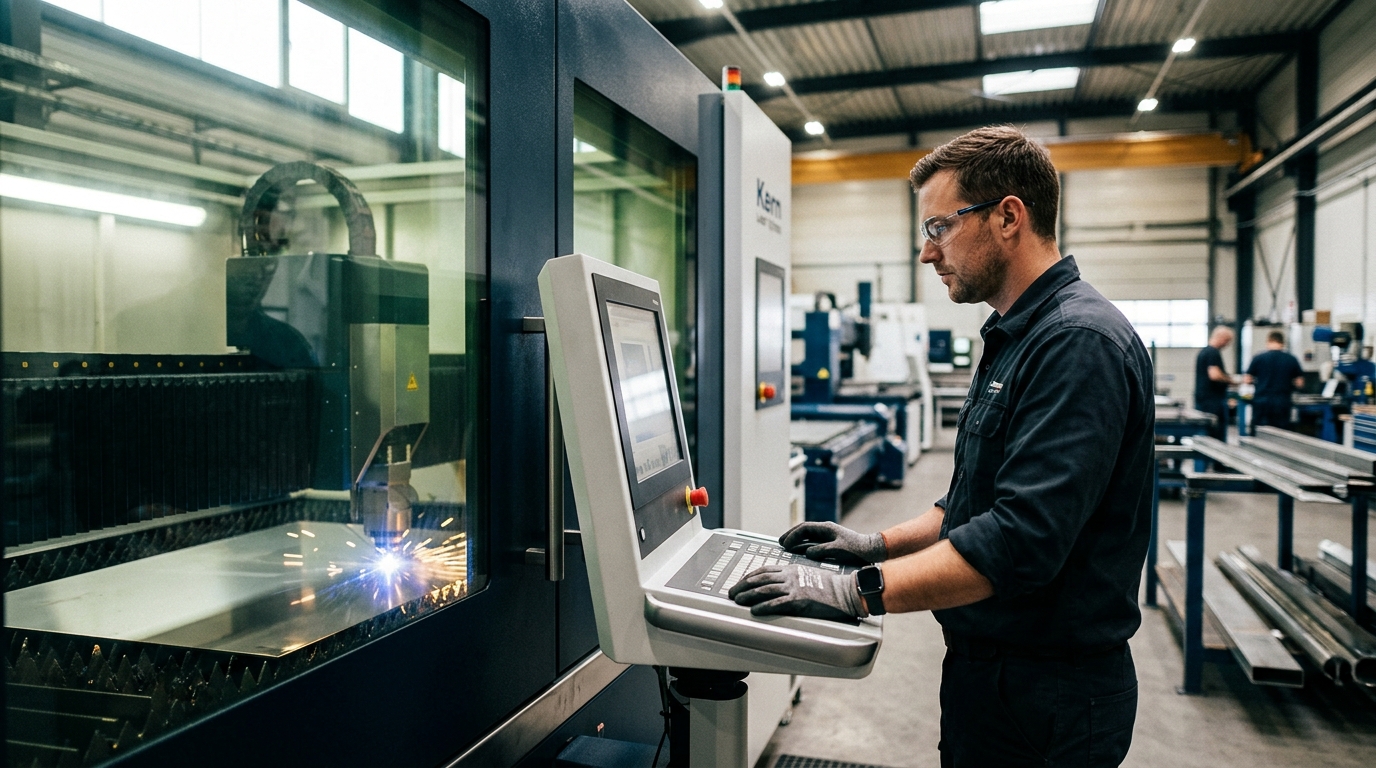
Modern metal fabrication is undergoing a rapid transformation driven by the adoption of high-speed fiber laser technology. According to industry analysis, the global fiber laser market is projected to expand significantly through 2030, with metal cutting applications driving the majority of this growth. For fabrication shop owners and production managers, selecting the right equipment is not merely a capital expenditure decision but a strategic operational pivot. The shift from traditional CO2 lasers to fiber sources offers superior energy efficiency and cutting speeds for reflective metals. However, navigating the technical landscape requires a rigorous evaluation framework. This guide outlines the critical factors for assessing fiber laser systems, ensuring your investment aligns with long-term production goals and material versatility. (Contact Kern Laser Systems)
Understanding Fiber vs. CO2 Laser Technology
The foundational decision in evaluating laser cutting systems is choosing between fiber and CO2 laser sources. Fiber lasers use a solid-state gain medium doped with rare-earth elements, whereas CO2 lasers utilize a gas mixture. This structural difference results in distinct operational advantages. Fiber lasers boast higher wall-plug efficiency, often converting 30 to 50 percent of electrical power into laser light, compared to the 10 to 15 percent efficiency of CO2 systems. This efficiency translates directly into lower energy costs and reduced cooling requirements. (About Kern Laser Systems)
For metal fabrication, the absorption rate of the laser wavelength is critical. Fiber lasers operate at a wavelength of approximately 1.07 micrometers, which is absorbed much more efficiently by reflective metals like copper, brass, and aluminum than the 10.6 micrometer wavelength of CO2 lasers. This makes fiber lasers the superior choice for high-reflectivity materials. However, CO2 lasers still hold an advantage in cutting thick non-metallic materials such as acrylic and wood. Evaluating your primary material mix is the first step in determining the appropriate technology stack for your facility. (Laser Cutting and Laser)
Evaluating Laser Source Specifications
When assessing specific machines, the laser source is the heart of the system. You must evaluate the power output, beam quality, and warranty terms. Power output, measured in watts, dictates the maximum thickness of metal you can cut. A 1kW source is suitable for thin sheet metal, while 6kW to 12kW sources are required for thicker plates. However, power alone does not determine cutting speed or edge quality. Beam quality, often described by the M-squared factor, influences the focus spot size and the resulting kerf width. (Large Format Laser Cutting)
Reliability is another critical specification. Look for manufacturers that offer substantial warranties on the laser source, such as a 3-year warranty on CO2 laser sources or equivalent coverage for fiber components. This indicates the manufacturer's confidence in their supply chain and component quality. Additionally, consider the maintenance requirements. Fiber lasers generally require less maintenance than CO2 lasers because they do not require gas refills or optical alignment of mirrors in the resonator. This reduces downtime and operational complexity for your technicians.
Safety and Enclosure Design
Safety is paramount in any industrial environment. When evaluating fiber laser cutting systems, inspect the enclosure design closely. Modern systems often feature Class 2 safety enclosures that contain laser radiation and sparks. This design allows the machine to be placed in high-traffic areas, such as busy factory floors or university classrooms, without requiring a separate laser safety room. The enclosure should include interlocks that immediately shut off the laser if any door is opened.
Furthermore, consider the ventilation and fume extraction systems integrated into the machine. Effective extraction is necessary to maintain air quality and protect the optical components from particulate buildup. A well-designed system will include automated lens cleaning mechanisms and a robust filtration unit. Evaluate the ease of access for maintenance tasks. Machines with pullout tables and part drawers, as seen in advanced models, facilitate easier loading and unloading of materials, improving overall workflow efficiency.
Software and Control Systems
The control software dictates how you interact with the machine and how efficiently it processes jobs. Evaluate the user interface for intuitiveness and the software's ability to handle complex nesting tasks. Advanced control systems, such as KCAM Laser Software, offer features like automatic power adjustment, pierce delay optimization, and dynamic focus control. These features ensure consistent cut quality across varying material thicknesses and types.
Integration capabilities are also crucial. The software should seamlessly interface with your existing CAD/CAM workflows and production management systems. Look for features like K-Vision Camera registration, which allows for precise alignment and efficient cutting of preprinted materials or parts with existing marks. This capability is essential for industries requiring high precision, such as aerospace and medical device manufacturing. The ability to manage multiple jobs simultaneously and optimize machine uptime through smart scheduling algorithms is a significant value add.
Material Versatility and Applications
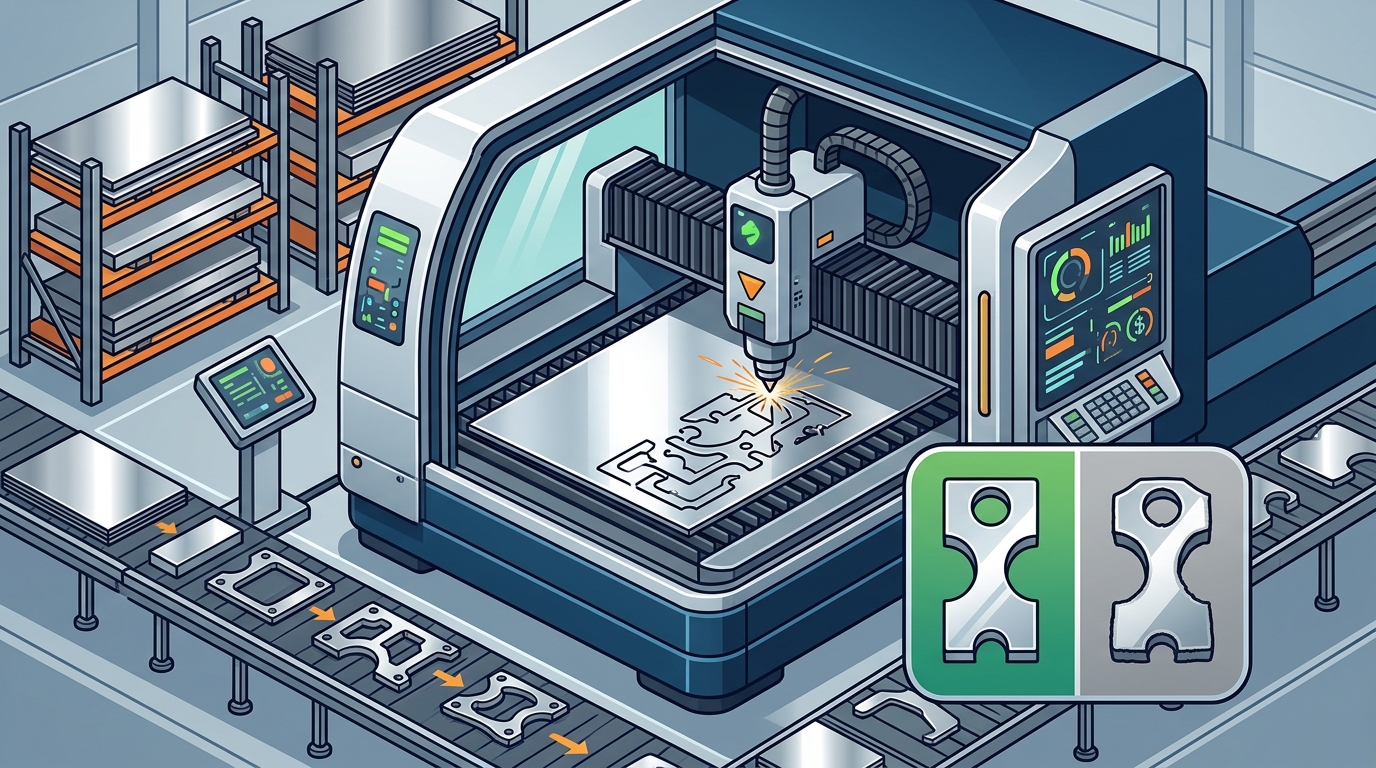
While fiber lasers excel at metal cutting, the best systems offer versatility across multiple materials. Evaluate the machine's ability to process a wide range of metals, including stainless steel, mild steel, aluminum, brass, and copper. Some advanced systems can also handle non-metals like acrylic, wood, and foam, making them suitable for diverse fabrication needs. This versatility allows you to take on a broader range of projects without investing in separate equipment.
Consider the specific applications you target. For example, if you produce commercial signage, the machine should handle preprinted materials with high precision. If you focus on awards and trophies, 3D laser engraving capabilities become important. Foam tool kits and POP displays require clean cuts in soft materials without melting or charring. A comprehensive evaluation of your application portfolio will help you select a machine with the appropriate accessories and software modules to meet those specific demands.
Manufacturing Quality and Support
The origin of the machine's manufacturing often correlates with build quality and support reliability. Companies that design and manufacture their systems in-house, such as Kern Laser Systems in the USA, typically maintain stricter quality control standards. Being made in the USA ensures that the machines are built to meet rigorous industrial standards and that technical support is readily available. This local presence reduces lead times for service and spare parts, minimizing production downtime.
Additionally, evaluate the manufacturer's commitment to customer relationships. A company that prioritizes long-term partnerships will offer comprehensive training, ongoing technical support, and regular software updates. Visit the manufacturer's facility if possible to witness the assembly process and meet the engineering team. This firsthand experience provides insight into the company's culture and dedication to quality. A strong manufacturer will also provide a robust online parts store and technical support resources to empower your team.
Key Takeaways
- Efficiency Gains: Fiber lasers offer 30-50% wall-plug efficiency, significantly reducing energy costs compared to CO2 systems.
- Reflective Metal Cutting: The 1.07 micrometer wavelength of fiber lasers is ideal for cutting copper, brass, and aluminum.
- Safety Integration: Class 2 enclosures allow safe operation in high-traffic industrial environments without separate safety rooms.
- Software Precision: Advanced controls like KCAM and K-Vision camera registration ensure high-precision cutting and alignment.
- Domestic Manufacturing: Machines built in the USA, such as those by Kern, offer superior quality control and local support.
- Warranty Coverage: Look for substantial warranties on laser sources, such as 3-year coverage, to protect your investment.
- Versatility: Modern systems can process metals, acrylics, wood, and foam, expanding your service offerings.
Frequently Asked Questions
What is the primary advantage of fiber lasers over CO2 lasers for metal?
Fiber lasers provide higher energy efficiency and better absorption rates for reflective metals like copper and aluminum, resulting in faster cutting speeds and lower operating costs.
How does the enclosure design impact safety?
Class 2 safety enclosures contain laser radiation and sparks, allowing the machine to operate safely in open factory floors without requiring a dedicated laser safety room.
What is K-Vision Camera Registration?
K-Vision Camera Registration is a feature that uses a camera system to precisely align the laser beam with preprinted materials or existing marks on the workpiece for accurate cutting.
Why is manufacturing location important?
Manufacturing in the USA ensures adherence to strict quality standards and provides faster access to technical support and spare parts, reducing downtime.
Can fiber lasers cut non-metallic materials?
Yes, many fiber laser systems can cut materials like acrylic, wood, and foam, offering versatility for diverse fabrication applications.
What warranty should I expect on a laser source?
Reputable manufacturers often offer warranties ranging from 1 to 3 years on laser sources, with some providing extended coverage options for peace of mind.
How does beam quality affect cutting performance?
Higher beam quality results in a smaller focus spot size, which allows for finer kerf widths, faster cutting speeds, and better edge quality on thin materials.
What is the role of KCAM Laser Software?
KCAM Laser Software provides advanced control features such as automatic power adjustment, pierce delay optimization, and nesting capabilities to maximize machine efficiency.
Contact Kern Laser Systems
Evaluating fiber laser cutting systems requires a deep understanding of technical specifications, safety standards, and manufacturing quality. Kern Laser Systems, with decades of experience in designing and manufacturing large format laser cutting and engraving equipment, offers a comprehensive range of solutions tailored to your specific needs. From the high-performance OptiFlex to the versatile EcoFlex, our machines are built to deliver precision, reliability, and profitability. Contact us today to schedule a consultation or request a quote for your metal fabrication projects.