What Maintenance is Required for High-Performance Laser Cutting Equipment?
Regular maintenance is the single most critical factor in preserving the operational lifespan and cutting precision of high-performance laser cutting equipment. Industry data indicates that proper upkeep can extend the service life of fiber laser sources by up to 100,000 hours, while neglect can reduce efficiency by over 30 percent within the first year of operation. This guide outlines the essential maintenance protocols required to keep your machinery running at peak performance.
Optical System Care and Alignment
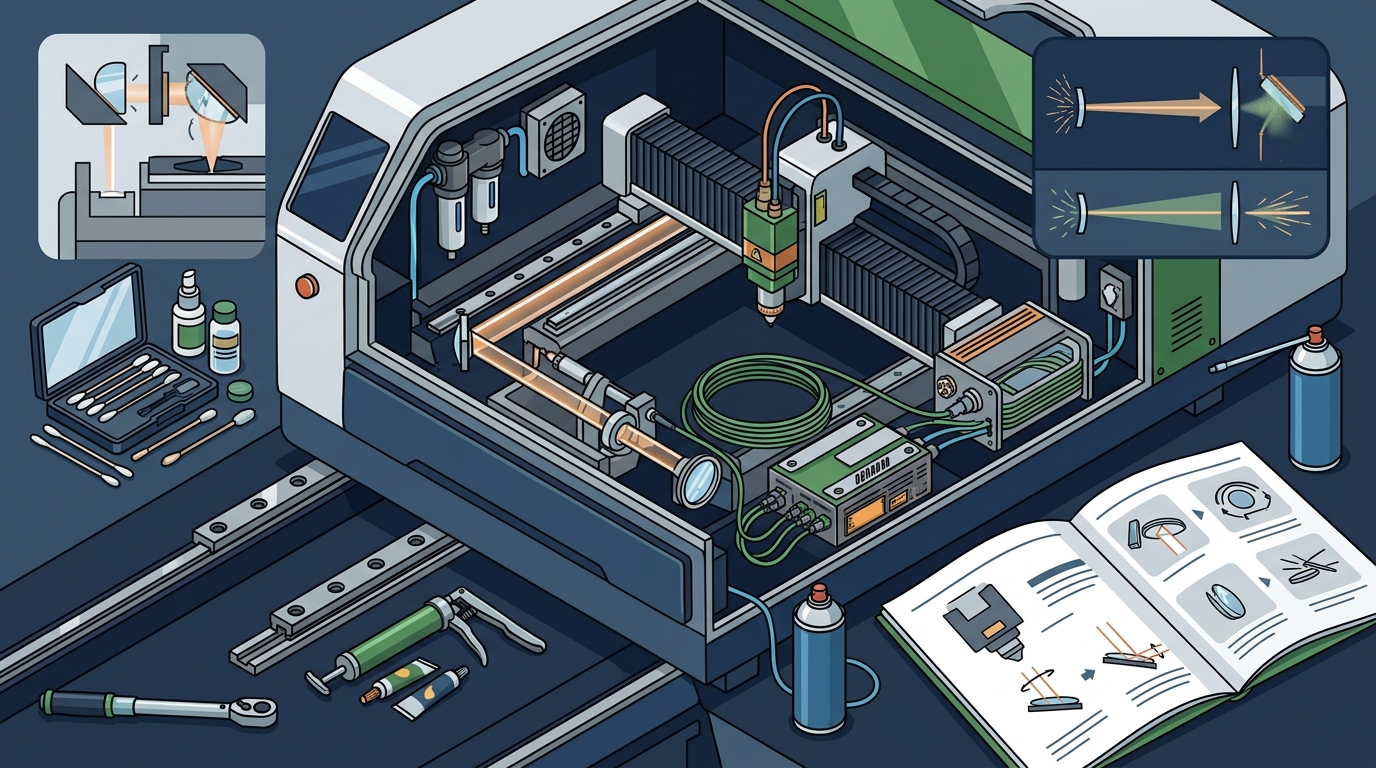
The optical path is the heart of any laser cutting machine. It directs the generated laser beam to the workpiece with extreme precision. Any contamination or misalignment in this path results in immediate quality degradation. Optical components are defined as the lenses, mirrors, and nozzles that guide and focus the laser beam. These parts must be kept immaculately clean to prevent thermal damage and beam distortion.
Daily Cleaning Protocols
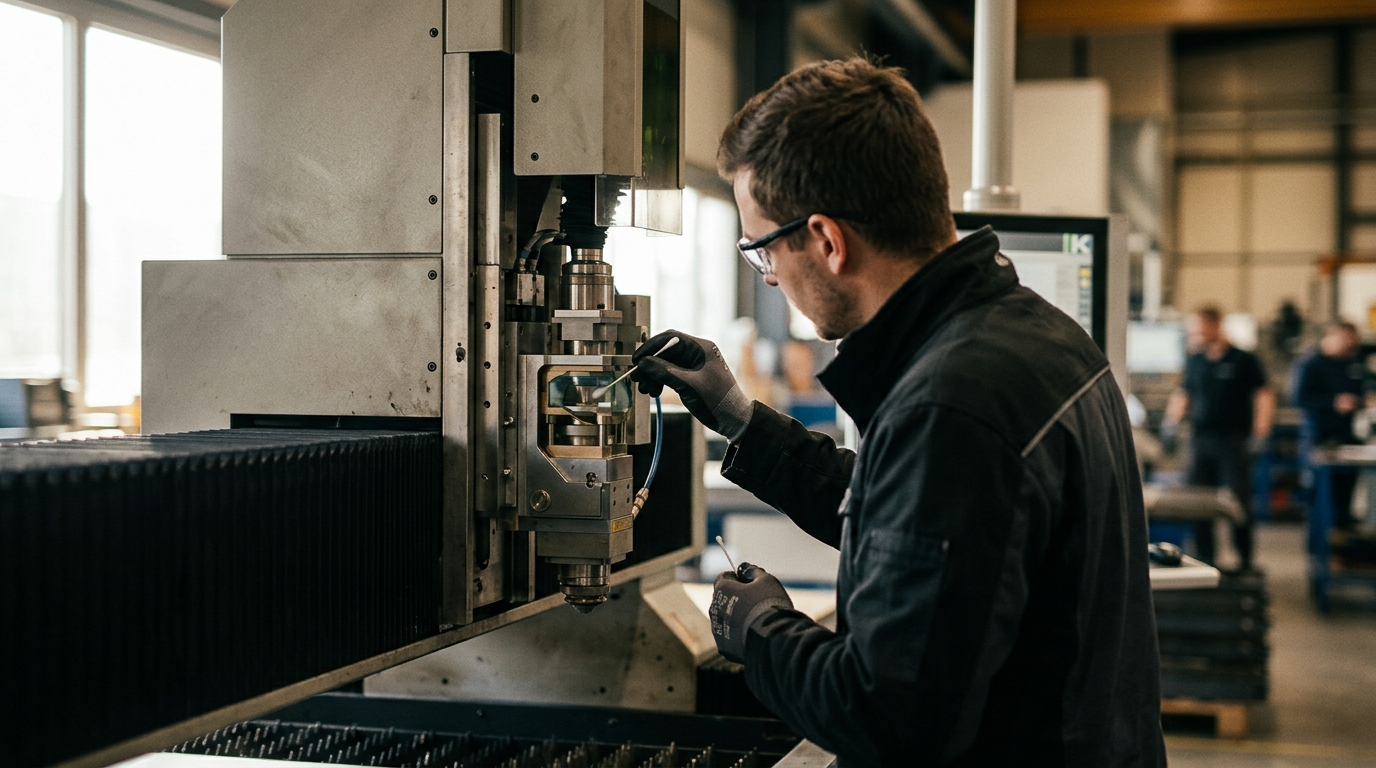
Operators must inspect protective lenses daily. Dust, metal splatter, and fumes accumulate rapidly during cutting operations. Use compressed air to blow away loose debris before wiping with lens-safe cleaning solutions. Never use abrasive materials on optical surfaces. A scratched lens scatters the beam, reducing cutting power and potentially damaging the laser source itself. (About)
Weekly Alignment Checks
Beam alignment is critical for consistent cut quality. Over time, thermal expansion and vibration can shift mirror positions. Weekly checks ensure the beam hits the center of the focusing lens. Misalignment causes uneven kerf widths and tapered edges. Kern Lasers designs its systems with accessible alignment points to simplify this process. For detailed alignment procedures, refer to the technical support documentation provided with your machine.
Nozzle Inspection and Replacement
The cutting nozzle directs assist gas onto the material. It must be concentric with the laser beam. An off-center nozzle creates turbulent gas flow, leading to dross formation and poor surface finish. Inspect nozzles for wear or deformation weekly. Replace them immediately if the inner diameter is enlarged or damaged. Proper nozzle selection is vital for different material thicknesses. Learn more about fiber laser cutting machines and their specific nozzle requirements.
Cooling System Integrity and Fluid Management
Laser sources and optical components generate significant heat during operation. The cooling system removes this heat to prevent thermal runaway and component failure. Cooling systems are defined as the network of pumps, chillers, and tubing that regulate the temperature of laser components. Failure in this system can lead to catastrophic and expensive damage.
Chiller Maintenance
The chiller is the primary cooling unit. It must maintain a stable temperature, typically within plus or minus 1 degree Celsius. Check water levels weekly. Low water levels cause overheating and trigger safety shutdowns. Use only distilled or deionized water to prevent mineral buildup. Tap water contains ions that corrode internal components and reduce heat transfer efficiency.
Filter and Pump Inspection
Air filters on the chiller must be cleaned monthly. Clogged filters reduce airflow, causing the chiller to work harder and overheat. Inspect the circulation pump for unusual noises or vibrations. A failing pump may not deliver adequate flow rate, leading to hot spots in the laser source. Regular maintenance of the maintenance services ensures your chiller operates efficiently.
Fluid Replacement Schedule
Cooling fluid degrades over time. It loses its anti-corrosive properties and can become acidic. Replace the fluid annually or according to the manufacturer's specifications. Use high-quality dielectric fluid for electrical components. This prevents short circuits and ensures long-term reliability. Proper fluid management is a key aspect of laser cutting efficiency.
Gas and Pneumatic System Checks
Assist gas is essential for removing molten material from the cut zone. It also protects the focusing lens from spatter. The gas system must deliver consistent pressure and flow rate. Assist gas is defined as the high-pressure gas used to blow away debris and cool the cut zone. Variations in gas quality or pressure directly impact cut quality.
Pressure Regulator Calibration
Check pressure regulators weekly. Ensure they deliver the correct pressure for the material and thickness being cut. Incorrect pressure leads to incomplete cutting or excessive dross. Use a calibrated gauge to verify readings. Regular calibration ensures consistent performance. For tips on optimizing gas usage, visit our gas optimization guide.
Leak Detection
Gas leaks waste money and reduce cutting performance. Use a leak detection solution to check all connections and fittings. Listen for hissing sounds. Tighten loose fittings immediately. Replace worn O-rings and seals. A well-sealed system ensures maximum gas efficiency and lower operating costs.
Gas Quality Standards
Use high-purity gas for critical applications. Impurities in the gas can react with the material, causing oxidation or contamination. Nitrogen and oxygen are common choices. Select the gas based on the material type. For example, nitrogen is preferred for stainless steel to prevent oxidation. Learn about material testing and gas selection.
Mechanical Component Lubrication
The mechanical structure of the laser cutter moves the laser head and the workpiece. This movement must be smooth and precise. Mechanical components are defined as the rails, gears, and bearings that facilitate the movement of the laser head. Proper lubrication reduces friction and wear.
Rail and Guide Lubrication
Linear rails and guides require regular lubrication. Use the recommended grease or oil. Over-lubrication can attract dust and debris. Under-lubrication causes wear and binding. Follow the manufacturer's schedule for lubrication. Consistent lubrication extends the life of the mechanical components.
Bearing Inspection
Inspect bearings for noise and play. Worn bearings cause vibration and inaccurate positioning. Replace bearings immediately if they show signs of wear. High-quality bearings ensure smooth movement and precise cutting. Regular inspection is part of our comprehensive predictive maintenance strategy.
Chain and Belt Tension
Check the tension of drive chains and belts. Loose chains or belts cause slippage and positioning errors. Tighten them to the specified tension. Regular adjustment ensures accurate movement. Proper tensioning is essential for maintaining precision cutting standards.
Electrical and Control System Audits
The electrical system powers the laser source and controls the machine's movements. It must be stable and secure. Electrical systems are defined as the wiring, circuit breakers, and control panels that power and manage the machine. Loose connections or faulty components can cause downtime or safety hazards.
Connection Tightness
Check all electrical connections for tightness. Vibration can loosen terminals over time. Loose connections cause arcing and heat buildup. Use a torque wrench to tighten connections to specification. Regular audits prevent electrical failures.
Control Panel Inspection
Inspect the control panel for damage or wear. Ensure all buttons and switches function correctly. Clean the panel with a dry cloth. Avoid using harsh chemicals. A well-maintained control panel ensures reliable operation. For advanced control system insights, explore our CNC laser cutting solutions.
Software Updates
Keep the machine software up to date. Updates often include bug fixes and performance improvements. Regular updates ensure the machine runs efficiently. Contact our support team for assistance with software updates.
Maintenance Frequency Comparison
| Maintenance Task | Frequency | Impact of Neglect | Key Action |
|---|---|---|---|
| Optical Lens Cleaning | Daily | Beam distortion, reduced power | Wipe with lens-safe solution |
| Chiller Water Level | Weekly | Overheating, shutdowns | Top up with distilled water |
| Gas Pressure Check | Weekly | Poor cut quality, dross | Calibrate regulators |
| Rail Lubrication | Monthly | Wear, binding, inaccuracy | Apply recommended grease |
| Electrical Connection Audit | Quarterly | Arcing, fire hazard | Tighten terminals |
| Chiller Fluid Replacement | Annually | Corrosion, reduced efficiency | Flush and refill system |
Key Takeaways
- Optical components require daily cleaning to prevent beam distortion and maintain cutting power.
- Cooling systems must use distilled water and be checked weekly to prevent overheating and corrosion.
- Gas pressure regulators need weekly calibration to ensure consistent assist gas flow and cut quality.
- Mechanical rails and bearings require monthly lubrication to reduce friction and extend component life.
- Electrical connections should be audited quarterly to prevent arcing and ensure system stability.
- Chiller fluid must be replaced annually to maintain anti-corrosive properties and heat transfer efficiency.
- Regular maintenance reduces downtime and extends the lifespan of high-performance laser equipment.
Frequently Asked Questions
How often should I clean the laser cutting lenses?
Lenses should be cleaned daily to remove dust and metal splatter. This prevents thermal damage and maintains beam quality. Use a lens-safe cleaning solution and compressed air.
What type of water should I use in the chiller?
Use only distilled or deionized water. Tap water contains minerals that cause corrosion and reduce heat transfer efficiency. This is critical for chiller maintenance.
How do I know if my laser beam is misaligned?
Misalignment causes uneven kerf widths and tapered edges. Check the beam centering weekly. Use alignment tools provided by the manufacturer. Proper alignment is part of our beam alignment services.
What is the lifespan of a fiber laser source?
A well-maintained fiber laser source can last up to 100,000 hours. Regular cooling and cleaning are essential for longevity. Learn more about fiber laser sources.
How often should I replace the cutting nozzle?
Replace the nozzle when it shows signs of wear or deformation. This typically occurs every few weeks depending on usage. Proper nozzle selection is vital for nozzle selection.
What are the signs of a failing chiller pump?
Unusual noises, reduced flow rate, or overheating indicate a failing pump. Inspect the pump monthly. Replace it if necessary to avoid chiller failure.
Why is gas purity important for laser cutting?
Impurities in the gas can cause oxidation or contamination of the cut surface. Use high-purity gas for critical applications. Gas quality affects gas purity and cut quality.
Contact Kern Lasers
Proper maintenance is essential for the longevity and performance of your high-performance laser cutting equipment. Kern Lasers provides comprehensive maintenance services and support to ensure your machines run efficiently. Contact us today to schedule a maintenance check or learn more about our services. Visit our contact page to get started.