
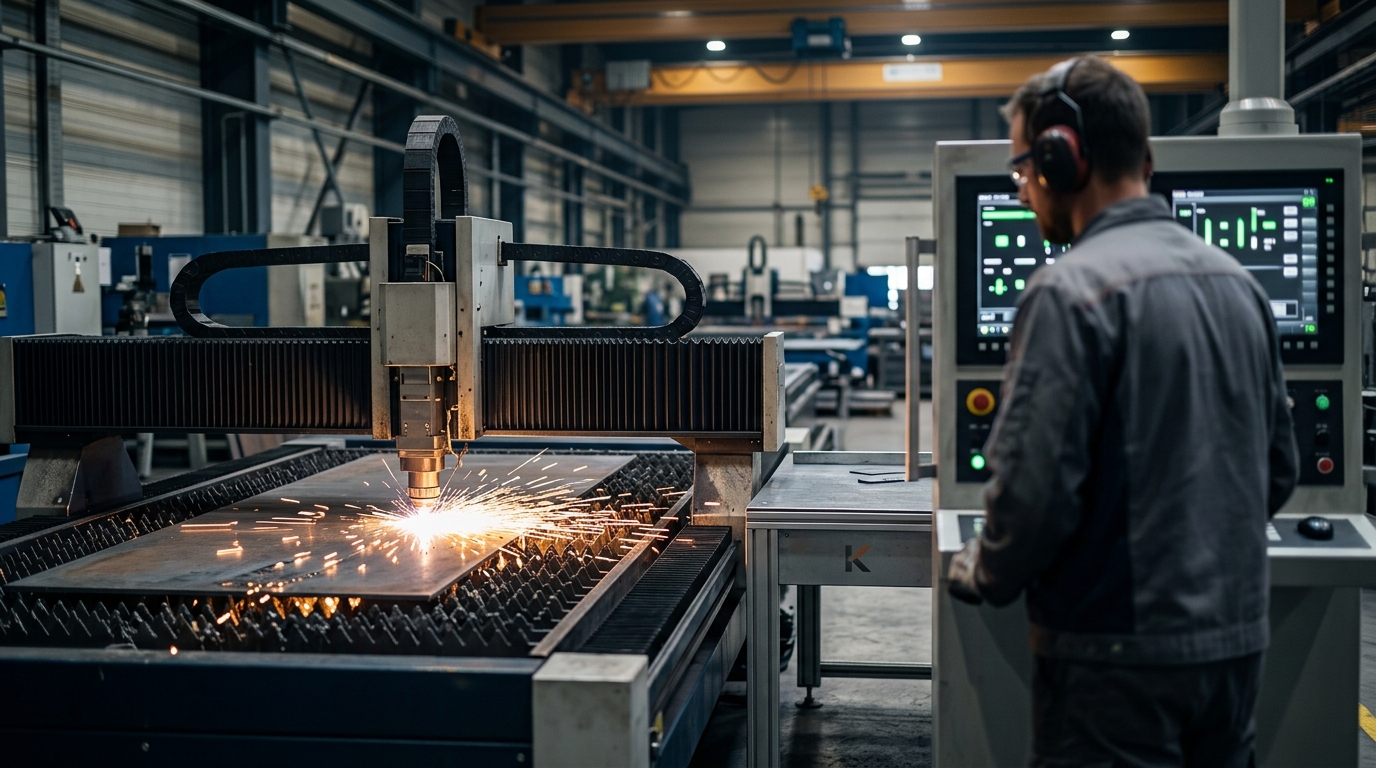
Industrial manufacturing is undergoing a rapid transformation driven by the need for speed, precision, and material versatility. According to recent market analysis, the global industrial laser market is projected to exceed $15 billion by 2028, with high-wattage systems (>10kW) capturing the largest share of growth. This surge is not merely a trend but a necessity for sectors like aerospace, heavy machinery, and automotive production where thick-gauge metal cutting demands immense thermal energy. Understanding the critical features of these systems is essential for maximizing return on investment and ensuring operational safety.
Understanding Beam Quality and M2 Factor
The most defining characteristic of a high-wattage laser is its beam quality, often quantified by the M2 factor. A lower M2 value indicates a beam that can be focused to a smaller spot size, resulting in finer kerf widths and higher cutting speeds. For thick materials, a balance is required; while a perfect beam is ideal for thin sheets, a slightly higher M2 can sometimes offer better penetration stability in plate cutting.
When evaluating systems, look for manufacturers who provide detailed beam profile data. Kern Laser specializes in delivering high-performance fiber laser sources that maintain consistent beam quality across varying power outputs. This consistency ensures that your cutting parameters remain stable over time, reducing the need for frequent recalibration.
Beam quality directly impacts the edge finish of your cuts. Poor beam quality leads to dross formation and rough edges, requiring secondary finishing processes that add cost and time. Therefore, prioritizing a laser source with a low M2 factor is a critical first step in your procurement process.
Thermal Management and Chiller Requirements
High-wattage lasers generate significant heat. A 10kW or 20kW system can produce thermal loads that exceed the capacity of standard industrial chillers. Effective thermal management is not optional; it is a prerequisite for machine longevity and cutting accuracy.
Thermal stability is the foundation of precision cutting. Fluctuations in laser source temperature can cause beam pointing drift, leading to inconsistent cut depths and widths. You must ensure that the chiller system matches the specific thermal load of the laser source, not just the nominal power rating.
Look for systems that include redundant cooling loops or advanced temperature control algorithms. These features prevent thermal shock during rapid power changes and maintain the laser diodes within their optimal operating range. Visit our blog for more insights on maintaining thermal efficiency in high-power environments.
Critical Safety Protocols and Enclosures
Working with high-wattage lasers introduces severe safety risks, including eye damage, fire hazards, and fume inhalation. A robust safety enclosure is mandatory for any high-power installation. These enclosures must be rated to contain the specific wavelength of the laser light and withstand potential back-reflections.
Modern high-wattage systems should include integrated fume extraction systems. These systems capture toxic gases and particulates generated during cutting, protecting both the operator and the internal optics of the laser source. OSHA guidelines emphasize the importance of proper ventilation and interlock systems in high-power laser environments.
Additionally, the system must feature emergency stop buttons, light curtains, and key-operated safety switches. These interlocks ensure that the laser cannot fire if the enclosure is open or if an operator is within the danger zone. Contact our team to discuss custom safety configurations for your facility.
Automation and CNC Integration
High-wattage lasers are most effective when integrated into automated workflows. The ability to load and unload heavy plates automatically increases throughput and reduces labor costs. Look for systems that support standard CNC protocols and offer seamless integration with existing material handling equipment.
Software compatibility is equally important. The control system should offer advanced nesting capabilities to maximize material utilization. Efficient nesting reduces waste, which is a significant cost factor when working with expensive alloys. Schedule a demo to see how our control software optimizes cutting paths for high-power sources.
Furthermore, consider the system's ability to handle different material types. High-wattage lasers excel at cutting thick steel, but they can also process aluminum, stainless steel, and brass with the correct parameters. Versatility in material handling expands the potential applications of your investment.
Maintenance Costs and Consumable Lifespan
While the initial cost of a high-wattage laser is substantial, the total cost of ownership (TCO) is determined by maintenance and consumables. Fiber lasers are known for their low maintenance requirements compared to CO2 lasers, but they are not maintenance-free.
Key consumables include cutting nozzles, protective lenses, and shielding gas. The lifespan of these components depends on the cutting parameters and the quality of the gas used. Research in optical engineering highlights that proper gas flow dynamics significantly extend the life of optical components.
Regular cleaning of the laser source output window and checking the alignment of the cutting head are essential routine tasks. Systems with self-diagnostic features can alert operators to potential issues before they cause downtime. Explore our service plans to ensure your system remains in peak condition.
Key Takeaways
- Beam Quality: Prioritize a low M2 factor for precise kerf widths and high cutting speeds.
- Thermal Management: Ensure the chiller system matches the specific thermal load of the laser source.
- Safety: Mandatory enclosures with interlocks and integrated fume extraction are non-negotiable.
- Integration: Seamless CNC and automation compatibility increases throughput and reduces labor costs.
- Maintenance: Fiber lasers offer low maintenance, but regular cleaning and lens replacement are required.
- Material Versatility: High-wattage systems can cut steel, aluminum, and stainless steel effectively.
- TCO: Evaluate consumable costs and service plans to determine the true long-term investment.
Frequently Asked Questions
What is the minimum wattage considered high-power for industrial cutting?
Generally, laser systems with a power output of 10kW or higher are classified as high-wattage. These systems are designed for cutting thick plates and high-speed production environments.
How does beam quality affect cutting speed?
Higher beam quality (lower M2 factor) allows the laser to be focused to a smaller spot size, increasing power density. This results in faster cutting speeds and cleaner edges, especially in thin to medium thickness materials.
What safety standards apply to high-wattage lasers?
High-wattage lasers must comply with IEC 60825-1 for laser product safety and local regulations such as OSHA in the United States. These standards dictate enclosure requirements, interlock systems, and operator training protocols.
Can high-wattage lasers cut non-metallic materials?
Fiber lasers are primarily designed for metals. While they can cut some non-metals like wood or acrylic, the results are often inferior to CO2 or UV lasers due to the wavelength and absorption characteristics of the material.
What is the typical lifespan of a fiber laser source?
High-quality fiber laser sources typically have a lifespan of 100,000 hours or more. This longevity is one of the primary advantages of fiber technology over traditional CO2 lasers.
How important is thermal stability in high-power systems?
Thermal stability is critical. Fluctuations in temperature can cause beam pointing drift, leading to inconsistent cut quality. Advanced chiller systems with precise temperature control are essential for maintaining accuracy.
What maintenance is required for a 20kW laser?
Regular maintenance includes cleaning cutting nozzles, inspecting protective lenses, checking gas pressure, and ensuring the chiller fluid is clean and at the correct temperature. Professional service contracts can help manage these tasks.
Ready to Upgrade Your Cutting Capabilities?
Selecting the right high-wattage laser system is a strategic decision that impacts your production efficiency, material quality, and safety record. By focusing on beam quality, thermal management, and robust safety features, you can ensure a successful installation. Visit Kern Laser to explore our range of high-power fiber laser solutions and schedule a consultation with our experts today.