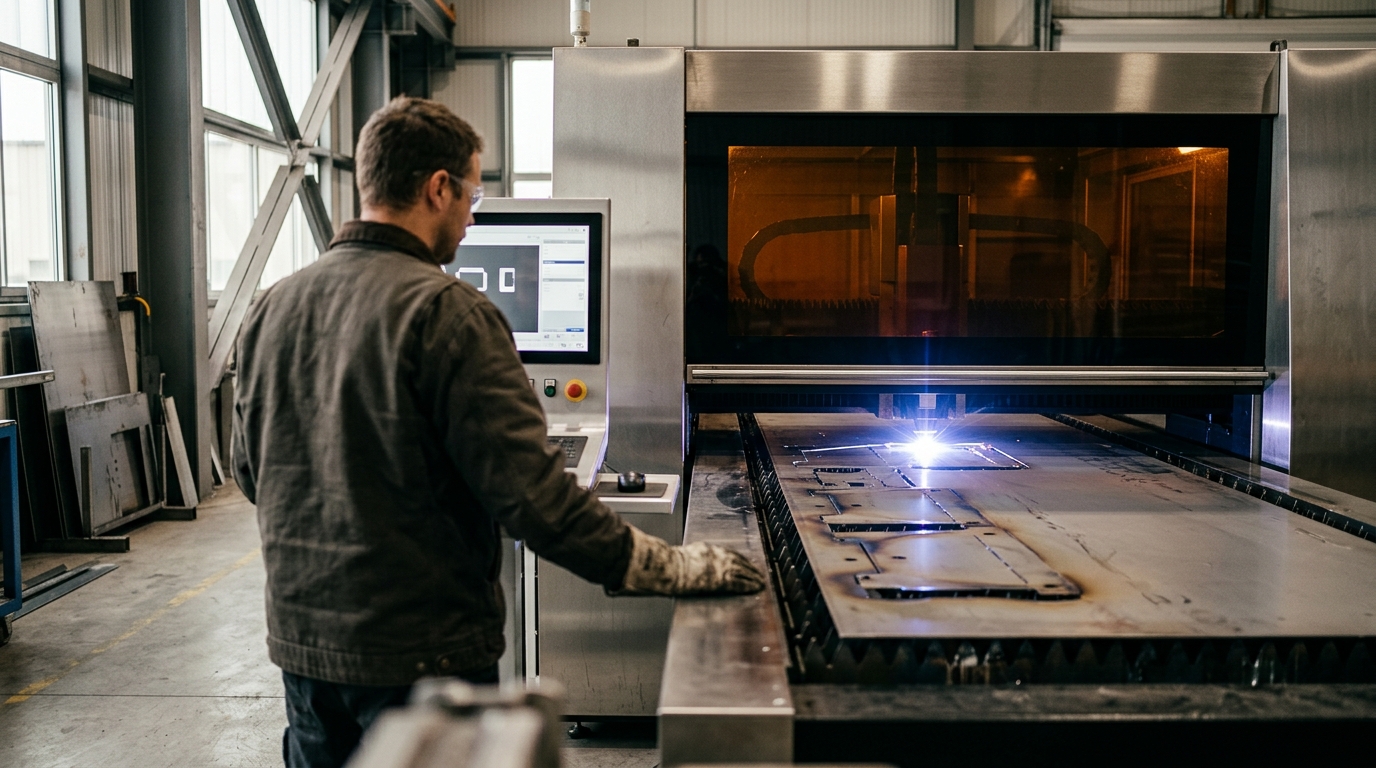
Modern metal fabrication relies heavily on precision and speed. According to industry data, fiber laser cutting has become the dominant technology for sheet metal processing, offering significantly higher energy efficiency compared to traditional CO2 lasers. This shift is driven by the need for faster cutting speeds and lower operational costs in high-volume production environments. Evaluating the right system requires a deep understanding of laser source technology, mechanical rigidity, and software integration.
Understanding Fiber Laser Technology
Fiber laser cutting systems utilize a solid-state laser source where the gain medium is an optical fiber doped with rare-earth elements. This technology differs fundamentally from gas-based CO2 lasers. The laser light is generated within the fiber itself and delivered directly to the cutting head via the same flexible fiber optic cable. This direct delivery method results in minimal energy loss and exceptional beam quality.
For metal fabrication projects, the primary advantage of fiber lasers is their ability to cut highly reflective metals such as brass, copper, and aluminum with greater ease than older technologies. The shorter wavelength of fiber lasers allows for tighter focus spots, which translates to narrower kerf widths and finer detail capabilities. This precision is critical when producing complex parts for aerospace, automotive, or medical device industries.
When evaluating a system, it is essential to recognize that fiber lasers are not a one-size-fits-all solution. They excel in thin to medium sheet metal cutting but may require different configurations for thick plate processing. Understanding the specific material mix of your fabrication shop will dictate the necessary power output and beam delivery mechanics.
Evaluating Laser Source Specifications
The heart of any fiber laser cutting machine is the laser source. When assessing potential systems, you must look beyond the nominal wattage. While higher wattage generally equates to faster cutting speeds, it also increases capital expenditure and energy consumption. The optimal wattage depends on the maximum thickness of metal you intend to cut regularly.
Key specifications to evaluate include beam quality (M2 value), power stability, and wall-plug efficiency. A lower M2 value indicates a tighter, more focused beam, which improves cut quality on thin materials. Power stability ensures consistent cut depth and edge finish over long production runs. Wall-plug efficiency measures how much electrical power is converted into laser light, directly impacting your operational costs.
Kern Laser Systems offers the FiberCell, a pure metal cutter designed with safety and performance in mind. This system exemplifies the importance of selecting a source that matches your production volume. For high-production environments, dual-laser systems like the OptiDual may be necessary to maximize throughput without compromising cut quality.
Mechanical System and Rigidity
The mechanical structure of the laser cutting machine is just as critical as the laser source itself. A rigid gantry and bed are required to maintain beam focus and positional accuracy at high speeds. Vibration damping is essential to prevent surface waviness on cut edges, especially when cutting reflective metals that can cause back-reflection issues.
Evaluate the drive system of the machine. Linear guides and rack-and-pinion drives must be high-precision to ensure repeatability. The table design also plays a significant role in material handling. A honeycomb or slat table must be robust enough to support heavy metal sheets without sagging, which can affect cutting accuracy.
Additionally, consider the maintenance requirements of the mechanical components. Systems that offer easy access to wear parts, such as nozzles and lenses, reduce downtime. Kern Laser Systems designs its machines with collaborative manufacturing in mind, ensuring that operators can maintain the equipment efficiently. Learn more about their applications and materials to see how mechanical design impacts specific fabrication tasks.
Software and KCAM Integration
Software is the brain of the laser cutting system. It controls the laser power, cutting speed, gas pressure, and head movement. Poor software integration can lead to inefficient nesting, wasted material, and suboptimal cut quality. When evaluating a system, test the user interface for intuitiveness and functionality.
Kern Laser Systems utilizes KCAM Laser Software, which is designed to streamline the workflow from design to production. This software allows for precise control over the cutting process, enabling operators to adjust parameters in real-time. Look for software that supports automated nesting, which maximizes material utilization and reduces scrap.
Furthermore, the software should offer robust simulation capabilities to prevent collisions and verify toolpaths before cutting. This feature is particularly important when working with complex geometries or expensive materials. The integration of camera systems, such as the K-Vision Camera, can further enhance accuracy by allowing for visual inspection and alignment.
Safety and Enclosure Design
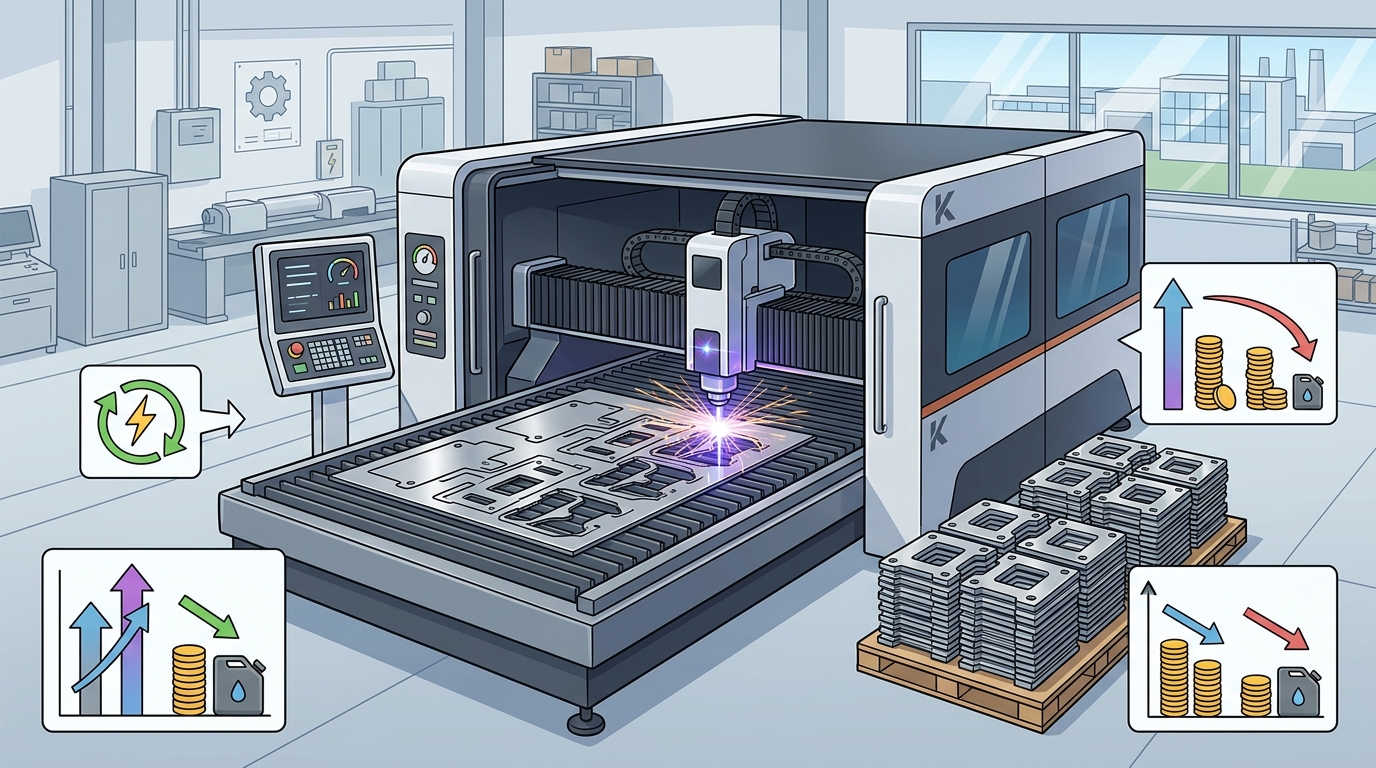
Safety is a paramount concern in metal fabrication. Laser cutting generates intense light, heat, and fumes. Therefore, the enclosure design of the system must meet strict safety standards. Look for machines with interlocked doors, emergency stop buttons, and proper ventilation systems.
The LaserCell series from Kern Laser Systems is an example of a high-performance system with a comprehensive safety enclosure. These enclosures protect operators from harmful radiation and contain the sparks and fumes generated during cutting. Proper filtration systems are also essential to maintain air quality in the fabrication shop.
When evaluating safety features, consider the ease of use. Operators should be able to load and unload materials safely without compromising their protection. Additionally, the system should include alarms and diagnostics to alert operators to potential issues before they become safety hazards.
Comparing System Options
Selecting the right fiber laser cutting system involves comparing various options based on your specific needs. The table below outlines the key differences between popular system types offered by industry leaders.
| System Type | Best For | Key Features | Production Level |
|---|---|---|---|
| FiberCell | Pure metal cutting | Safety enclosure, high precision | Medium to High |
| OptiDual | High production | Dual laser source, speed | High |
| LaserCell | General fabrication | Enclosed safety, versatility | Medium |
| OptiFlex | CO2 applications | Cost-effective, wide material range | Low to Medium |
Each system has distinct advantages. The FiberCell is ideal for those prioritizing metal cutting purity and safety. The OptiDual is designed for facilities needing maximum throughput. The LaserCell offers a balanced approach for general fabrication needs. The OptiFlex, while a CO2 system, remains a viable option for mixed material shops.
Key Takeaways
- Fiber lasers offer superior energy efficiency and cutting speed for reflective metals compared to CO2 lasers.
- Beam quality (M2 value) and power stability are critical specifications for ensuring consistent cut quality.
- Mechanical rigidity and vibration damping are essential for maintaining precision at high cutting speeds.
- Integrated software like KCAM enhances workflow efficiency through automated nesting and real-time control.
- Safety enclosures and filtration systems are mandatory for compliant and safe operation in fabrication shops.
- Kern Laser Systems has been a trusted manufacturer since its founding in 1982, providing reliable industrial solutions.
- Choosing the right system depends on your specific material mix, production volume, and budget constraints.
Frequently Asked Questions
What is the main advantage of fiber laser cutting over CO2 laser cutting?
Fiber laser cutting provides higher energy efficiency, faster cutting speeds on thin to medium metals, and better performance on reflective materials like copper and brass.
How do I determine the correct laser wattage for my needs?
Select a wattage based on the maximum thickness of metal you cut regularly. Higher wattage allows for thicker cuts and faster speeds but increases cost. Consult with Kern Lasers for specific recommendations.
Is KCAM software included with Kern Laser Systems?
Yes, Kern Laser Systems integrates its proprietary KCAM Laser Software to ensure seamless operation and precise control over the cutting process.
What safety features should I look for in a fiber laser system?
Look for interlocked enclosures, emergency stop buttons, proper ventilation, and laser safety ratings that comply with industry standards.
Can fiber lasers cut thick plate metal?
While fiber lasers excel at thin to medium sheets, they can cut thick plates with high-power sources. However, CO2 lasers may still be competitive for very thick materials depending on the specific application.
How does the mechanical rigidity of the machine affect cut quality?
A rigid mechanical structure minimizes vibration, which ensures consistent beam focus and prevents surface waviness, leading to higher precision and better edge finish.
What is the warranty coverage for Kern Laser Systems?
Kern Laser Systems typically offers a 3-year warranty on their CO2 laser systems, demonstrating confidence in their manufacturing quality. Check specific terms for fiber systems.
Contact Kern Lasers
Evaluating fiber laser cutting systems requires a careful balance of technical specifications, operational needs, and budget considerations. Kern Laser Systems provides a range of solutions tailored to diverse fabrication requirements. From the high-performance FiberCell to the versatile OptiFlex, their machines are designed for reliability and precision.
To discuss your specific metal fabrication projects and find the ideal system for your shop, contact the experts at Kern Laser Systems today. Visit their contact page to request a quote or schedule a consultation. Their team is ready to help you optimize your production workflow with cutting-edge laser technology.